
Tokyo Travel: Navigating the Hotel Market for Your Perfect Stay
Planning a trip to Tokyo? Discover expert strategies for securing excellent accommodation in this bustling city. From popular districts to booking tips, ensure a seamless and enjoyable visit.
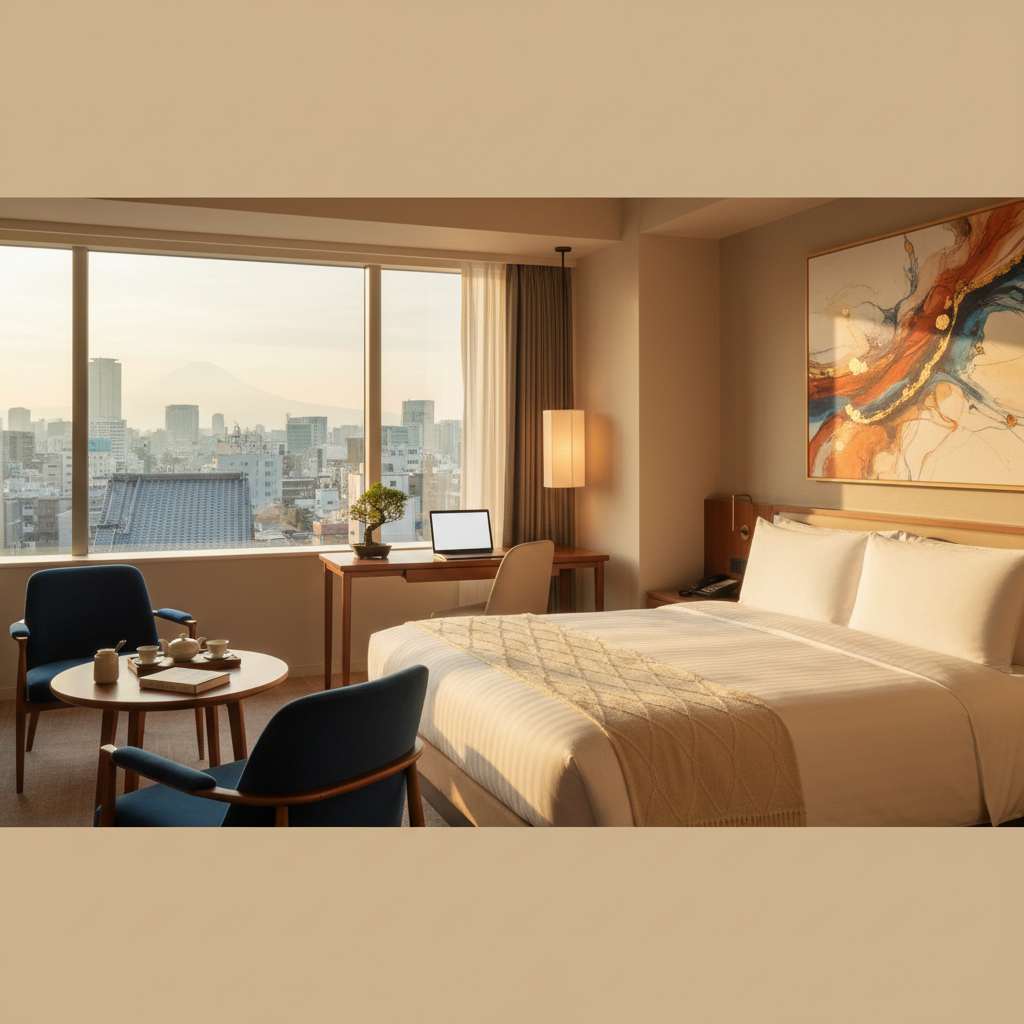
Tokyo Travel: Navigating the Hotel Market for Your Perfect Stay
Tokyo, a city of vibrant contrasts and endless discovery, offers an unforgettable travel experience. Finding the ideal hotel in its dynamic market requires thoughtful planning to ensure a comfortable and convenient base for your explorations.
This guide will equip you with essential strategies and insights to confidently navigate Tokyo's diverse hotel landscape, securing a stay that perfectly complements your travel style and budget. With its efficient transport, world-class dining, and unique cultural experiences, Tokyo promises an adventure; let's ensure your accommodation enhances every moment.
Understanding Tokyo's Hotel Landscape: A Brief Overview
Tokyo's hotel market is renowned for its efficiency, variety, and often compact, yet meticulously designed, rooms. It's characterised by high demand, especially during peak seasons, making early booking a strategic advantage.
From luxurious five-star establishments to charming boutique hotels and business-oriented stays, the city caters to every preference. Expect excellent service, impeccable cleanliness, and well-utilised space, regardless of the hotel category.
Peak Seasons and Their Impact on Availability
Tokyo experiences significant influxes of tourists during specific times of the year, which dramatically affects hotel availability and pricing. The cherry blossom season (late March to early April) and the autumn foliage season (mid-October to late November) are particularly popular.
Other high-demand periods include Golden Week (late April to early May), Obon (mid-August), and New Year's. During these times, hotels can be booked out months in advance, and prices can surge by 30-50% compared to off-peak rates. Planning at least 6-9 months ahead for these periods is highly recommended.
Types of Hotels in Tokyo
Tokyo boasts a vast array of accommodation options. Business hotels are a dominant category, offering compact, clean, and efficient rooms with essential amenities, perfect for both business travellers and budget-conscious tourists.
Luxury hotels provide expansive rooms, world-class dining, and extensive facilities, often with stunning city views. Boutique hotels offer unique designs and personalised service, while Ryokans (traditional Japanese inns), though less common in central Tokyo, provide a cultural immersion experience, often found on the city's outskirts or in nearby Hakone. Finally, Capsule hotels offer a distinctly Japanese, ultra-compact, and affordable lodging option.
Average Price Ranges by District and Season
Hotel prices in Tokyo vary considerably based on location, hotel type, and time of year. For instance, a mid-range hotel room in a prime area like Shinjuku or Shibuya might cost around £120-£200 per night during off-peak, but could easily reach £250-£400 during cherry blossom season.
Budget-friendly options, such as business hotels or capsule hotels in slightly less central districts like Ueno or Ikebukuro, might start from £60-£100 per night. Luxury stays in areas like Ginza or Marunouchi typically begin at £300 and can go upwards of £800+ per night. Always factor in potential price fluctuations when setting your budget.
Choosing the Right Neighbourhood for Your Tokyo Adventure
Selecting the right neighbourhood is paramount to enhancing your Tokyo experience, as each area offers a distinct atmosphere and access to different attractions. Consider your travel style, interests, and preferred commute times when making your decision.
Tokyo's efficient public transport system means you can reach most areas relatively easily, but staying near your primary interests reduces travel time and enhances convenience.
Shinjuku: Urban Excitement and Nightlife
Shinjuku is a bustling hub, famous for its towering skyscrapers, vibrant nightlife, and endless entertainment options. It's an excellent choice for first-time visitors and those who thrive on urban energy.
Key attractions include the Tokyo Metropolitan Government Building for free panoramic city views, Shinjuku Gyoen National Garden for a peaceful escape, and Kabukicho for neon-lit streets and entertainment. Shinjuku Station is one of the busiest in the world, offering unparalleled transport links across the city. Hotels here range from business-oriented to luxury, catering to all budgets.
Shibuya: Fashion, Youth Culture, and Iconic Crossing
Shibuya is the epicentre of youth culture, fashion, and entertainment, home to the iconic Shibuya Crossing. It's perfect for trendsetters, shoppers, and those looking to immerse themselves in Tokyo's modern pulse.
Beyond the famous crossing, you'll find countless boutiques, restaurants, and clubs. Harajuku, with its quirky fashion and Meiji Jingu Shrine, is just a short walk away. Accommodation here is often stylish and modern, though perhaps a little pricier due to its popularity.
Ginza: Luxury Shopping and Fine Dining
Ginza is synonymous with high-end luxury, world-class shopping, and exquisite dining. It's ideal for travellers seeking sophistication, upscale experiences, and proximity to cultural institutions like the Kabuki-za Theatre.
While predominantly known for its designer boutiques and Michelin-starred restaurants, Ginza also offers several high-end hotels. It's well-connected by metro lines, providing easy access to other parts of Tokyo. Expect a more refined, albeit pricier, stay in this district.
Ueno and Asakusa: Culture, History, and Green Spaces
For those interested in Tokyo's rich history and culture, Ueno and Asakusa offer a charming contrast to the modern districts. Ueno Park is home to numerous museums, including the Tokyo National Museum, and the Ueno Zoo.
Asakusa boasts the iconic Senso-ji Temple, Tokyo's oldest temple, and the Nakamise-dori market, perfect for traditional souvenirs. These areas tend to offer more affordable accommodation, particularly business hotels and traditional inns, and provide a calmer base for exploring. They are also well-served by public transport.
Essential Tips for Finding and Booking Your Tokyo Hotel
Securing the best hotel in Tokyo involves more than just picking a pretty picture; it requires strategic planning and keen attention to detail. By following these essential tips, you can significantly improve your chances of finding excellent accommodation at a reasonable price, even in a competitive market.
Remember that flexibility and preparedness are your best allies.
Book Early, Especially for Peak Seasons
Early booking is perhaps the single most crucial tip for Tokyo, particularly if you're travelling during popular times like cherry blossom season or Golden Week. Hotels can be fully booked 3-6 months in advance, and prices can escalate dramatically closer to the date.
Aim to book your accommodation as soon as your travel dates are firm, ideally 4-6 months out for general travel, and up to 9-12 months for peak events. This foresight can lead to savings of 20-40% compared to last-minute rates and ensures a wider selection of rooms.
Utilise Flexible Cancellation Policies
Given the need for early booking, look for hotels that offer free cancellation. Many hotels on Resapass provide this flexibility, allowing you to secure a great rate early without commitment. This means you can book with confidence and continue to monitor prices.
If a better deal becomes available closer to your travel date, you can cancel your initial booking without penalty and rebook. Always read the cancellation terms carefully, noting the deadline for free cancellation. Search a hotel on Resapass to filter for these options.
Consider Transportation and Station Proximity
Tokyo's public transport system is world-class, making station proximity a key factor for convenience. A hotel within a 5-10 minute walk of a major JR or subway station can save you significant time and effort, especially after a long day of sightseeing.
Check your hotel's exact distance from the nearest station on a map and research the specific lines serving that station to ensure they connect easily to your planned attractions. Proximity to a station with multiple lines (e.g., Shinjuku, Tokyo, Shibuya, Ueno) is a major advantage.
Read Recent Reviews and Check Room Sizes
Hotel reviews offer invaluable insights into guest experiences. Pay attention to comments regarding cleanliness, staff helpfulness, noise levels, and Wi-Fi quality. On Resapass, you'll find verified guest reviews to help you make an informed decision.
Also, be aware that standard hotel rooms in Tokyo can be smaller than what you might be accustomed to in other countries. Always check the room size (in square metres) if this is a concern for you. Many hotels list room dimensions clearly, allowing you to choose accordingly. For more general advice, consider reading Your Ultimate Guide to Picking the Perfect Hotel Abroad.
Optimising Your Hotel Search with Resapass
Resapass offers a powerful platform to simplify your Tokyo hotel search, providing a comprehensive selection of hotels, transparent pricing, and user-friendly features. Our goal is to make finding your ideal stay as effortless as possible, allowing you to focus on planning your adventure.
With 2 million bookable hotels worldwide, including a vast array in Tokyo, you're sure to find something that suits your needs. Our commitment to no hidden fees and tax-inclusive prices means the price you see is the price you pay.
Leveraging Search Filters for Specific Needs
Our search engine allows you to apply various filters to narrow down your options effectively. You can filter by price range, star rating, specific neighbourhood, and even amenities like 'free Wi-Fi', 'family rooms', or 'gym facilities'.
If you're looking for hotels in a specific area like Shinjuku, simply type "Tokyo Shinjuku" into the destination search bar. Filtering helps you quickly navigate through thousands of options to find properties that genuinely meet your criteria, saving you valuable time. Start your tailored search today at Search a hotel.
Benefit from Free Cancellation on Most Rooms
As previously mentioned, the option of free cancellation is a significant advantage when booking in a dynamic market like Tokyo. Resapass highlights hotels offering this flexibility prominently, allowing you to reserve your preferred room without immediate financial risk.
This feature provides peace of mind, enabling you to lock in a good rate early and adjust your plans if necessary, without incurring charges. It’s an essential tool for savvy travellers seeking both value and flexibility.
Understanding Tax-Inclusive Pricing and No Hidden Fees
One of the most frustrating aspects of online booking can be encountering unexpected charges at checkout. Resapass eliminates this by displaying all prices as tax-inclusive, meaning the price you see on the search results is the final price you'll pay.
We pride ourselves on our transparent pricing policy – there are no hidden fees, tourist taxes, or resort fees sprung on you at the last minute. This clarity allows for easier budgeting and a more trustworthy booking experience, ensuring a stress-free transaction from start to finish.
Beyond the Booking: Maximising Your Tokyo Stay
Once your accommodation is secured, turning your attention to the details of your stay can significantly enhance your overall Tokyo experience. Being prepared for local customs and making the most of your hotel's offerings will contribute to a smoother and more enjoyable trip.
Tokyo is a city that rewards those who plan ahead and embrace its unique charm, from efficient transport to exquisite cuisine.
Getting Around: Navigating Tokyo's Public Transport
Tokyo's public transport system, primarily its extensive subway and JR train lines, is incredibly efficient and easy to use. Purchase an IC card (Suica or Pasmo) upon arrival for seamless travel; simply tap and go.
Major stations like Shinjuku, Tokyo, and Shibuya are significant hubs. Utilise apps like Google Maps for real-time navigation and route planning. Familiarising yourself with the train lines before you arrive can save valuable time and reduce stress during your first few days. Even if you're exploring Hotels in Nice, the principle of understanding local transport remains key.
Embracing Japanese Hotel Etiquette and Amenities
Japanese hotels are known for their exceptional service and attention to detail. Expect spotless rooms, high-tech toilets (washlets), and often a selection of high-quality toiletries.
It's customary to be respectful of quiet hours, especially in residential areas, and to treat shared facilities with care. Many hotels offer amenities like coin-operated laundry, vending machines, and microwaves, which can be very convenient. Some even provide yukata (light kimonos) for use during your stay.
Dining Options Near Your Hotel
Tokyo is a culinary paradise, and you'll find incredible dining options around every corner, often within a short walk of your hotel. Explore local 'izakayas' (Japanese pubs) for casual dining, discover ramen shops, or seek out high-end restaurants for a special experience.
Utilise online maps and review sites to find highly-rated eateries near your chosen accommodation. Don't be afraid to try smaller, local establishments, as these often offer authentic and delicious experiences at more affordable prices. Even when staying in Hotels in Marrakech, local culinary exploration is a highlight.
Final Considerations for a Smooth Tokyo Trip
Planning your Tokyo trip involves several practical steps beyond just booking your hotel. Addressing these final considerations will help ensure your journey is as seamless and enjoyable as possible, allowing you to fully immerse yourself in the wonders of the city.
From staying connected to managing finances, being prepared can make all the difference.
Stay Connected: Wi-Fi and SIM Cards
Reliable internet access is crucial for navigation, translation, and staying in touch. Most hotels offer free Wi-Fi, but for constant connectivity on the go, consider renting a pocket Wi-Fi device or purchasing a local data-only SIM card upon arrival.
Pre-ordering a pocket Wi-Fi device to be picked up at the airport is a popular and convenient option. Ensure your phone is unlocked if you plan to use a local SIM card. This connectivity will be invaluable for navigating the city and researching attractions.
Currency and Payment Methods
The local currency is the Japanese Yen (JPY). While credit cards are widely accepted in major hotels, department stores, and larger restaurants, many smaller establishments, especially local eateries and shops, still prefer cash.
It's advisable to carry a reasonable amount of cash for daily expenses. ATMs are readily available at post offices and convenience stores (like 7-Eleven) that accept international cards. Inform your bank of your travel plans to avoid any card freezing issues.
Customer Support and Peace of Mind
Even with meticulous planning, unforeseen circumstances can arise. Resapass provides 7/7 customer support to assist you with any hotel-related queries or issues that might emerge during your trip.
Whether it's a question about your booking, a special request for the hotel, or unexpected changes, our dedicated team is there to help. This round-the-clock support offers invaluable peace of mind, allowing you to travel with confidence, knowing assistance is just a call or message away. For more travel inspiration, explore All articles on our blog.
FAQ: Your Tokyo Hotel Questions Answered
Q: What's the best time to visit Tokyo for hotel deals?
A: The best time for hotel deals in Tokyo is typically during the off-peak seasons, which include early January (after New Year's), May (after Golden Week), June (before summer holidays and typhoon season), and December (before Christmas and New Year's). During these times, demand is lower, and you're more likely to find competitive rates and better availability.
Q: Are hotel rooms in Tokyo generally small?
A: Yes, hotel rooms in Tokyo, especially in mid-range and business hotels, are generally smaller than those found in many Western countries due to high property costs and efficient use of space. However, they are typically very well-designed, functional, and exceptionally clean. Luxury hotels and some international chains offer more spacious options.
Q: Is it safe to book hotels in Tokyo online?
A: Absolutely. Booking hotels in Tokyo online through reputable platforms like Resapass is very safe. We ensure secure payment processing and provide detailed information, reviews, and transparent pricing. Always look for a secure connection (HTTPS) when entering personal and payment details.
Q: Can I find hotels in Tokyo that cater to families?
A: Yes, Tokyo has many family-friendly hotels. Look for hotels that offer larger rooms, connecting rooms, or amenities like swimming pools and kids' clubs. Districts like Ueno or those slightly outside the immediate city centre often have hotels with more spacious accommodations. Always check specific room configurations and guest policies when booking for a family.
Q: Do Tokyo hotels offer free Wi-Fi?
A: Most modern hotels in Tokyo, from budget-friendly business hotels to luxury establishments, offer free Wi-Fi in rooms and common areas. However, it's always a good idea to confirm this detail on the hotel's amenity list or in the booking description before making your reservation, especially if reliable internet access is crucial for your trip.