
The 15 Best European Cities for an Affordable City Break
Discover Europe's 15 hidden gems where you can travel on a budget without sacrificing the experience. Practical tips for saving on flights, accommodation, and activities.
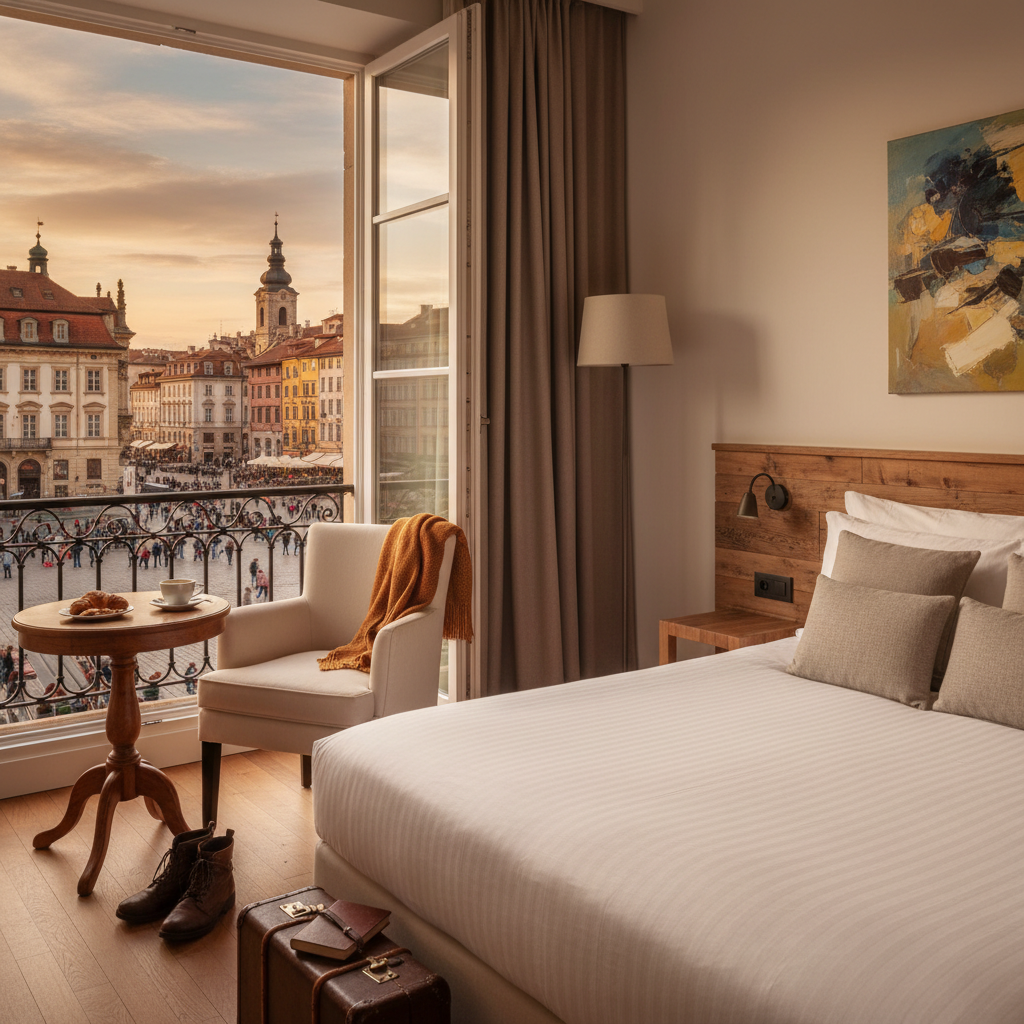
Introduction: Travelling Europe Without Breaking the Bank
Travelling in Europe doesn't have to be a luxury reserved for a select few. With smart planning and choosing the right destinations, it's possible to have unforgettable experiences without excessively impacting your budget. This article will guide you through the 15 best European cities for an affordable city break, offering practical advice and tips on how to maximise your savings.
We are here to show you that European adventure and culture are accessible to everyone. Forget preconceptions about high costs and get ready to discover hidden gems and vibrant capitals where every euro spent translates into a precious memory. With Resapass, your ideal partner for finding Hotels at the best price, your affordable trip is just a click away.
Why Choose an Affordable City Break?
Opting for an affordable city break allows you to travel more often and explore a greater variety of destinations. It offers you the freedom to immerse yourself in diverse cultures and enjoy architecture, history, and gastronomy without constant worry about costs.
Many travellers choose this option to extend their holidays or treat themselves to an impromptu weekend. A limited budget doesn't mean compromising the quality of the experience; it simply means making smarter, more targeted choices, such as opting for accommodation with excellent value for money and taking advantage of free or low-cost attractions that every city has to offer.
How We Selected the Destinations
Our selection of 15 cities is based on a careful analysis of several key factors influencing the overall cost of a trip. We considered the average cost of accommodation, public transport prices, the cost of food and drinks, and the abundance of free or inexpensive attractions.
We also took into account accessibility from major European cities via low-cost flights and trains. Our goal is to present you with cities where a daily budget of €50-€80 per person (excluding flights) is realistic, allowing you to fully enjoy your experience without financial stress.
Central and Eastern Europe: A Budget Traveller's Paradise
Cities in Central and Eastern Europe are renowned for offering a rich cultural experience at significantly lower costs than their Western counterparts. Here you can enjoy splendid architecture, fascinating history, and delicious food without spending a fortune, with estimated savings that can reach up to 40-50% of the total trip cost compared to cities like London or Paris.
1. Budapest, Hungary
Budapest is a vibrant and historic city, perfect for an affordable weekend. You can expect to spend around €60-€75 per day for accommodation, food, and transport.
Famous for its thermal baths, such as Gellért and Széchenyi, which offer relaxation at accessible prices (around €15-€20 entrance), and for its lively nightlife in the 'ruin bars', bars set up in abandoned buildings. Strolling along the main avenue, Andrássy út, and visiting the Parliament, one of Europe's most iconic buildings, are unmissable experiences. Many of the main attractions, such as the Chain Bridge or Buda Castle (exterior), can be visited for free. Public transport is efficient and cheap. Don't miss Hungarian cuisine, rich in flavours, with full meals starting from €10-€15 in local restaurants.
2. Prague, Czech Republic
Prague enchants with its fairytale architecture and reasonable prices, with an average daily expenditure of €65-€80. The city offers an unforgettable experience for every type of traveller.
The Charles Bridge, Prague Castle, and Old Town Square with its astronomical clock are iconic attractions that can be admired for free. Christmas or Easter markets, if visited at the right time, add a magical touch. Museums and galleries are numerous and often offer free entry on specific days or reduced prices for students. An excellent Czech beer can cost less than €2 in many traditional pubs, making nightlife extremely affordable. A full meal in a local restaurant can cost €12-€18.
3. Krakow, Poland
Krakow is a city rich in history and culture, with daily costs hovering around €55-€70. This ancient Polish capital is a treasure to discover.
The medieval Old Town is a UNESCO World Heritage Site and features the Market Square (Rynek Główny), the largest in Europe, where it is pleasant to stroll and admire the architecture. Visiting Wawel Castle (free exteriors, paid interiors) and the Jewish Quarter of Kazimierz, with its synagogues and vibrant atmosphere, are unmissable. Public transport is very cheap, and local food is delicious and abundant, with an average meal around €10-€15. Also consider a day trip to the Wieliczka Salt Mine for a unique experience.
4. Warsaw, Poland
Warsaw, the Polish capital, is a dynamic and modern metropolis, beautifully rebuilt after the war, with an average daily cost of €50-€65.
The Old Town (Stare Miasto) has been meticulously reconstructed and is now a UNESCO site, perfect for free walks. The Warsaw Uprising Museum offers a powerful history lesson, while the Palace of Culture and Science, a gift from the USSR, offers breathtaking views of the city at a low cost. Parks, such as Łazienki Królewskie, are oases of peace and often host free concerts in summer. The gastronomy is excellent and affordable, with pierogi and traditional dishes available at modest prices.
Balkans and South-East Europe: Hidden Low-Cost Treasures
This region offers a fascinating mix of cultures, breathtaking landscapes, and ancient history, all at incredibly advantageous prices. Many of the cities presented here allow you to travel on a daily budget of less than €60, enabling you to prolong your stay or explore more.
5. Sofia, Bulgaria
Sofia, one of Europe's oldest capitals, is surprisingly affordable, with an average daily cost of €45-€60. It offers a rich historical and cultural heritage.
The Saint Alexander Nevsky Cathedral, with its golden domes, is an iconic and free attraction. The Church of St. George (Rotunda of St. George), Sofia's oldest building, is another gem not to be missed. Vitosha Boulevard is perfect for a stroll and observing local life. Public transport is efficient and very convenient. Local markets offer delicious street food at incredibly low prices, and a meal in a restaurant can cost between €8 and €12.
6. Belgrade, Serbia
Belgrade, the vibrant Serbian capital, is known for its turbulent history and lively nightlife, with an average daily expenditure of €50-€65.
Kalemegdan Fortress, with its views of the Danube and Sava rivers, is an excellent place to walk and enjoy the panorama, with no entrance fees. The bohemian quarter of Skadarlija is perfect for a traditional dinner and live music. Many museums offer tickets at affordable prices. The city is also famous for its fashionable cafes and bars, where you can socialise with locals at modest prices. A typical meal with drinks can cost about €10-€15.
7. Sarajevo, Bosnia and Herzegovina
Sarajevo is a city with unique charm, where the meeting of East and West is palpable. The average daily cost is about €40-€55.
The old town, called Baščaršija, is a labyrinth of cobblestone alleys, artisan shops, and traditional cafes, which can be explored for free. Don't miss the Gazi Husrev-beg Mosque and the Sacred Heart Cathedral, symbols of the city's religious diversity. The Sarajevo Tunnel, a war museum, offers a poignant and profound experience. The food is exquisite and very cheap, with the famous ćevapi costing only a few euros. Public transport is affordable, but the city is easily walkable.
Western and Southern Europe: Unexpected Bargains
Even in traditionally more expensive regions, it's possible to find cities that offer an excellent travel experience without having to spend a fortune. These destinations require more careful planning, but savings on accommodation and some activities can be significant, allowing you to enjoy the local culture and entertainment.
8. Lisbon, Portugal
Lisbon is a charming capital, known for its hills, yellow trams, and azulejo tiles, with an average daily cost of €70-€90. It is one of the most accessible capitals in Western Europe.
Explore historic neighbourhoods like Alfama and Bairro Alto on foot to discover picturesque alleys and miradouros with breathtaking views of the Tagus River. São Jorge Castle offers incredible panoramas, and you can opt to visit only the exteriors for a more economical experience. A ride on tram 28 is a must and costs as much as a regular public transport ticket. Fresh fish dishes and the famous Pasteis de Nata are delicious and surprisingly cheap, with a full meal starting from €15-€20 in local tascas. For accommodation, Resapass offers numerous options in the city, including hotels that allow you to Search for a hotel with free cancellation.
9. Seville, Spain
Seville, the capital of Andalusia, is a city rich in history and passion, with an average daily cost of €65-€85. It is a place where flamenco culture and Moorish architecture blend.
Visit the Alcázar (whose entrance is paid, but it's worth it) and the Cathedral with the Giralda, but to save money, explore the Maria Luisa Park and the majestic Plaza de España for free. Stroll through the Triana district and enjoy local food, such as tapas, which are delicious and affordable. Many bars offer free tapas with a drink. Attending a flamenco show can be expensive, but there are bars that offer free or low-cost performances. The sun and vibrant atmosphere make every walk an experience.
10. Porto, Portugal
Porto, famous for its wine and breathtaking views of the Douro, offers a rich cultural experience at an average daily cost of €60-€80.
Explore the Ribeira district, a UNESCO heritage site, with its colourful houses and narrow alleys, and cross the Dom Luís I Bridge for spectacular views. Many attractions are free or very cheap, such as a visit to São Bento station with its magnificent azulejos. Port wine tastings in the cellars of Vila Nova de Gaia are an experience with varying prices, but economical options can be found. The food is excellent and affordable, with fresh fish dishes and the famous Francesinha at reasonable prices. To discover other fantastic destinations, check out All articles on our blog.
11. Valencia, Spain
Valencia combines modernity and history with fantastic weather and reasonable costs, with an average daily expenditure of €60-€80. It is the home of paella and the City of Arts and Sciences.
The historic centre of Valencia is easily explorable on foot, with free attractions like the Serranos Towers and the Plaza de la Virgen. The City of Arts and Sciences can be admired from the outside for free, and its gardens are perfect for a picnic. The Central Market is an ideal place to immerse yourself in local culture and sample fresh produce at convenient prices. Valencia's beaches are free and easily accessible by public transport. Paella, the city's iconic dish, can be enjoyed in many local restaurants at honest prices.
The Underrated North and Hidden Gems
Even in Northern European regions, often perceived as expensive, there are cities that offer good value for money if you know where to look. These destinations, while not the cheapest overall, allow for a more contained trip compared to capitals like Oslo or Stockholm, thanks to astute planning on accommodation and transport.
12. Riga, Latvia
Riga, the capital of Latvia, is a pearl of the Baltic, famous for its Art Nouveau architecture and its medieval old town, with an average daily cost of €60-€75.
The old town, a UNESCO World Heritage site, is perfect for free walks, admiring Riga Cathedral and the House of the Blackheads. The Art Nouveau district, with over 800 buildings in this style, is an open-air and free spectacle. Local markets offer fresh and delicious produce at very convenient prices. For cultural activities, there are numerous museums and galleries with low-cost entry. Public transport is efficient and cheap. A traditional meal in a restaurant can cost around €12-€18.
13. Vilnius, Lithuania
Vilnius, the capital of Lithuania, is a fascinating city with one of Europe's largest Baroque old towns, with an average daily expenditure of €55-€70.
The old town, another UNESCO site, is rich in Baroque churches and cobblestone streets to explore on foot. Vilnius Cathedral and Gediminas' Tower offer panoramic views of the city. The bohemian Užupis district, with its "constitution" and art installations, is a unique and free experience. Lithuanian cuisine is tasty and affordable, with meals in local restaurants costing about €10-€15. The city is also well-connected and easily reachable via low-cost flights.
14. Ljubljana, Slovenia
Ljubljana, the capital of Slovenia, is one of Europe's greenest and most pleasant capitals, with an average daily cost of €65-€80.
The city centre, closed to traffic, is perfect for exploring on foot or by bicycle. Ljubljana Castle offers spectacular views (you can walk up for free or take the paid funicular). The banks of the Ljubljanica River are full of cafes and restaurants, ideal for relaxing. The Dragon Bridge and the Central Market are iconic and free attractions. Slovenian cuisine is a mix of Balkan, Austrian, and Italian influences, with meals around €15-€20 in local restaurants. Public transport is efficient, but the city is so compact that it's almost entirely walkable.
15. Zagreb, Croatia
Zagreb, the capital of Croatia, is a charming city with a vibrant cultural life and accessible costs, with an average daily expenditure of €60-€75.
Gornji Grad (Upper Town) and Donji Grad (Lower Town) offer a mix of history, museums, and parks. Zagreb Cathedral and St. Mark's Church, with its colourful roof, are city icons and can be admired for free. Dolac Market is a lively place to sample local produce and street food at convenient prices. The Museum of Broken Relationships is a unique and low-cost experience. Public transport, including trams, is an economical way to get around. A meal in a restaurant can cost about €12-€18. For a perfect stay, you can consult options for Hotels in Rome or, why not, also explore nearby Hotels in Marrakech for a completely different experience.
Practical Tips for Maximising Savings
Travelling on a budget requires shrewdness and flexibility. By following these tips, you can significantly reduce expenses and fully enjoy each destination. Every euro saved is a euro you can spend on an extra experience or to extend your stay. Overall savings can amount to up to 30% of the total budget.
Smart Accommodation: The Key to Savings
Accommodation is often the biggest expense on a trip, but with the right strategy, you can drastically reduce it. Opt for quality hostels, B&Bs, or apartments with kitchens for greater flexibility.
- Book in advance: Rates are almost always lower if you book months ahead, especially for popular dates.
- Consider accommodation outside the centre: Sometimes, staying 2-3 metro stops from the heart of the city can save you 20-30% on the hotel price.
- Take advantage of free cancellations: Many hotels on Resapass offer free cancellation on most rooms. This allows you to book in advance to lock in a good price, while maintaining the flexibility to change plans in case of better offers or sudden changes.
- Check reviews: Before booking, always read reviews to ensure the accommodation is clean, safe, and well-connected to public transport.
- Travel off-season: Travelling during the low season (January-March, October-November) allows you to find significantly lower hotel rates, even 30-40%.
Transport: Moving Smartly
Transport costs can quickly add up. From airfares to local public transport, there are many ways to cut expenses without sacrificing convenience.
- Low-cost flights: Use flight aggregators to find the best deals, and be flexible with dates and airports. Sometimes, flying on a weekday or to a secondary airport can reduce the ticket cost by 15-25%.
- Public transport: Once at your destination, buy daily or weekly passes for public transport instead of single tickets. They often save you 40-50% on the cost per journey. Many cities also offer tourist cards that include transport and museum entries.
- Walk: Many European cities, especially those on our list, are very walkable. Walking is the best way to explore, discover hidden corners, and, of course, it's completely free! It saves you money on transport tickets and keeps you fit.
- Rental bikes: Several cities offer bike-sharing services at affordable prices, an ecological and economical alternative for exploring.
Food and Activities: Authentic Experiences on a Budget
You don't have to give up good food or attractions to travel affordably. Knowing local tricks can help you have unforgettable experiences without straining your wallet.
- Local markets: Markets are the best place to sample typical products at convenient prices and to have lunch with fresh, delicious street food.
- Off-peak dining: Many restaurants offer fixed-price lunch menus (menú del día) that are significantly cheaper than dinner, with savings of 20-30%.
- Picnics: Buy bread, cheese, cold cuts, and fruit from supermarkets or local markets and enjoy a picnic in a park or near a monument. It's a fun and very economical experience.
- Free attractions: Look for museums with free entry on certain days or times, stroll through parks, admire external architecture, and enjoy the views. Many cities also offer free (tip-based) guided walking tours.
- Local drinks: Instead of ordering expensive international drinks, try local beers or tap water (if potable) to save money.
- Free walking tours: Many cities offer free walking tours, where a guide takes you to discover the city's highlights. The guide works on a tip basis, so you can decide how much to pay based on the quality of the tour.
Conclusion: Your Next Adventure Awaits
We hope this guide has inspired you to plan your next affordable city break in Europe. With Resapass by your side, access to 2 million hotels worldwide with free cancellation on most rooms, 7/7 customer support, and clear, tax-inclusive prices with no hidden fees, it's easier than ever to turn your travel dreams into reality.
Remember, you don't need to spend a fortune to have rich and meaningful travel experiences. By choosing the right destinations and adopting smart saving strategies, you can explore the best Europe has to offer. Search for a hotel on Resapass today and start planning your European adventure. The world awaits you, and Resapass is here to help you discover it your way, within your budget. Don't forget to check our Last Minute Bargains: Where to Find the Best Hotels? for unexpected discoveries!
FAQ: Frequently Asked Questions About Affordable European City Breaks
Q: What is a realistic daily budget for an affordable city break in Europe?
A: A realistic daily budget, excluding flight costs, is around €50 to €90 per person. This includes accommodation in hostels or budget B&Bs, meals at local restaurants or markets, public transport, and some low-cost activities.
Q: What are the best times to travel affordably in Europe?
A: The best times to travel affordably are the low season (January-March and October-November), excluding holidays. In these months, accommodation and flight prices are significantly lower, and cities are less crowded.
Q: Is it possible to find affordable accommodation in major capitals like Paris or Rome?
A: Yes, it is possible, but it requires more research and flexibility. On Resapass, you can find Hotels in Paris or Hotels in Amsterdam even in these cities. Look for well-reviewed hostels, B&Bs outside the historic centre but well-connected, or apartments with kitchens to save on meals. Booking well in advance is essential.
Q: How can I save on food during an affordable city break?
A: To save on food, prioritise local markets for snacks and picnics, look for restaurants offering 'menú del día' for lunch, and try street food. Avoid restaurants in crowded tourist areas, where prices are usually higher. Your Definitive Guide to Choosing the Perfect Hotel Abroad offers further tips.
Q: Are there many free attractions in affordable European cities?
A: Absolutely! Many cities offer numerous historic sites, parks, cathedrals, and museums with free or low-cost entry. Exploring on foot is the best way to discover the architecture and local atmosphere without spending. Many museums also have free entry days or times.
Q: Does Resapass offer hotels with free cancellation?
A: Yes, on Resapass we offer free cancellation on most rooms, allowing you to book with confidence and flexibility. Always check the specific room conditions at the time of booking.