
How to plan a cheap romantic weekend in Europe
Plan a cheap romantic weekend europe with flexible dates, thoughtful hotel comparisons and low-cost ideas for two.

Key Takeaways
A romantic break can feel generous without an extravagant budget. Choose the destination and travel dates together, then spend on the moments that matter most to you.
- Compare the whole trip, not just the hotel rate.
- Look at less central neighbourhoods and quieter travel dates.
- Check baggage, transfers and cancellation terms before booking.
- Prioritise a few paid experiences and leave space for free ones.
- Agree a shared budget so you can relax once you arrive.
Choose a destination that suits your budget
The best-value destination is not always the one with the lowest hotel rate. A short journey, affordable meals and plenty to do on foot can make a bigger difference to the total. Think about what you both want from the weekend, then compare places that offer that kind of atmosphere. For inspiration, browse these affordable European city breaks before settling on a location.
Compare the cost of travel, meals and accommodation
Start with the whole journey rather than comparing room prices in isolation. A city with cheaper accommodation may involve longer transfers or more expensive meals, while a slightly pricier stay could be walkable from the places you want to visit. A simple comparison can help you see which parts of the trip are likely to shape the total most.
| Destination idea | Travel to compare | Stay to compare | Food and activities to consider |
|---|---|---|---|
| Lisbon | Flight or rail options and transfer time | Central and residential areas | Local cafés, viewpoints and walks |
| Rome | Arrival airport and onward journey | Neighbourhoods near your plans | Markets, churches and paid sights |
| Another European city | Door-to-door journey time | Several districts, not only the centre | Free attractions and everyday meals |
Use the comparison as a prompt, not a verdict: fares and room rates change with dates. Once you have a shortlist, check the actual journey and accommodation together so you are comparing like with like.
Look beyond the most popular city-centre hotspots
The busiest central districts are convenient, but they are not the only places that make a lovely base. A quieter neighbourhood can offer a more local feel and may have cafés or transport links that suit your plans. Before booking, check how long it takes to reach the places you care about and whether you would be happy walking back in the evening.
Consider Lisbon, Rome or another affordable European city
Lisbon and Rome both make tempting city breaks, but the right choice depends on your travel dates, interests and where you can find a comfortable stay. For a closer look at planning a budget-conscious Italian trip, explore this Rome on a budget guide. You can also use these romantic getaway ideas to discover other possibilities, then compare the real costs for your dates rather than relying on a general ranking.
Match the destination to the kind of weekend you both enjoy
A food-focused couple may prefer a city with markets and relaxed local restaurants; if you love museums, check opening days and admission costs before choosing. For a slower break, look for parks, riverside paths or a seaside setting. The destination should make it easy to spend time together, not leave you rushing between sights.
Find affordable dates and transport
A little flexibility can open up more options, especially when you are travelling for a short break. Compare the cost and convenience of leaving at different times, and include the trip from your home to the station or airport. It is worth looking at the journey as a whole: an attractive fare can lose its appeal if the arrival time makes the first evening difficult. A practical getaway checklist can also help you think through what to pack and where to save.
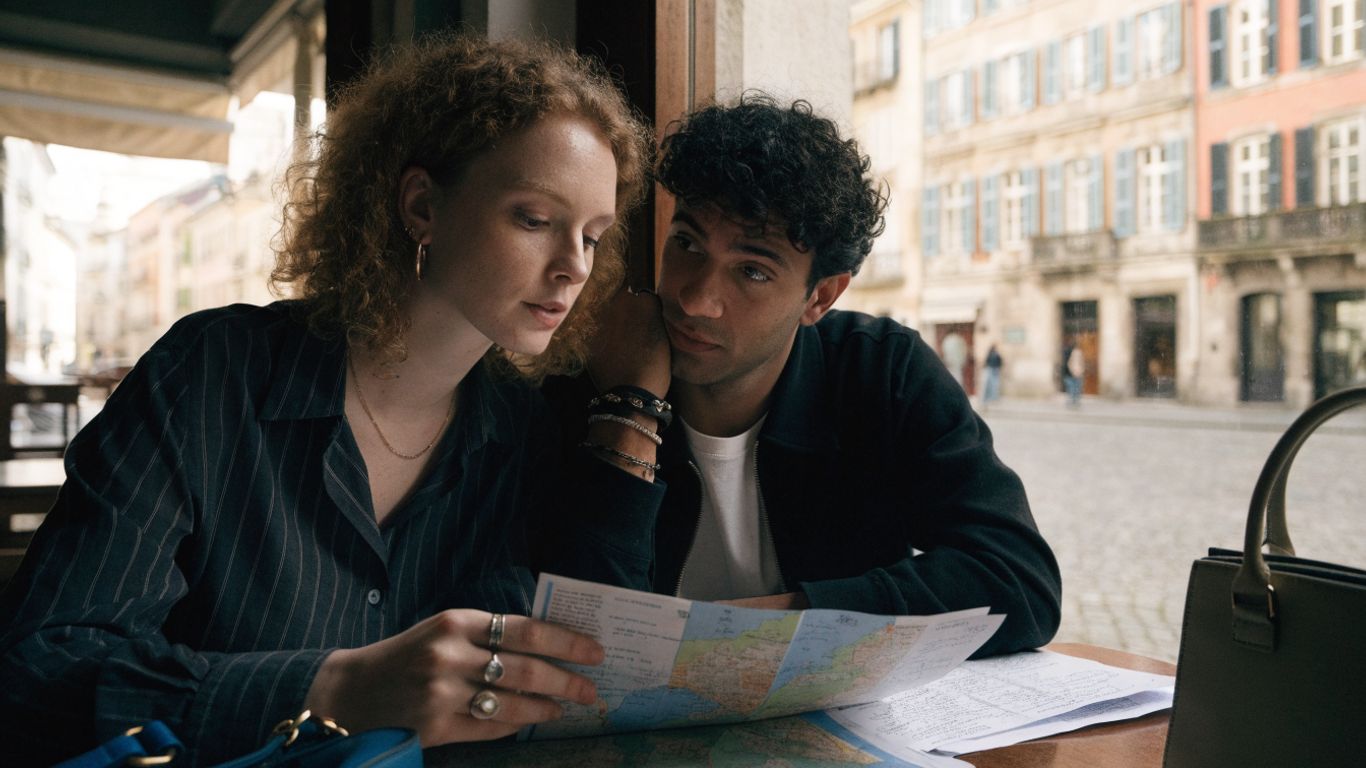
Travel outside peak season and school holidays
If your dates can move, check quieter periods as well as popular weekends and school holidays. Fewer people may mean more choice in transport and accommodation, though the weather and opening hours can differ by season. Look at a few nearby dates before deciding, and choose the option that gives you a good balance of cost, daylight and time together.
Compare flights, trains and coach routes
Compare more than the headline fare: journey length, departure point, arrival time and how easy it is to reach your accommodation all matter. A train or coach may suit you if you prefer to arrive closer to the centre, while a flight might work better for a longer distance. If you are weighing up alternatives, browse hotel options alongside your transport choices so the stay and journey fit the same plan.
Check the full cost of airport transfers and baggage
Before committing, check what is included in the fare and what you would pay to reach the city. Baggage allowances, seat choices and airport transfers can change the total, so compare the final amount rather than the first price you see. Packing lightly can help keep travel simpler, but make sure you have what you need for the weather and your plans.
Leave room in your plans for delays and late arrivals
A weekend can feel cramped if every hour depends on a connection running perfectly. Leave a little breathing space around your arrival, especially if you have a dinner booking or a separate onward journey. If you reach the city later than expected, having a simple first-evening plan can make the start feel calm rather than lost.
Book a romantic stay without overspending
A good room does not need to be lavish; it needs to suit the way you want to spend the weekend. Check the neighbourhood, the room details and the terms alongside the nightly rate. If flexibility matters, read the cancellation conditions before paying. That small bit of care helps avoid an affordable-looking option becoming inconvenient once the rest of the trip is set.
Compare hotels by location as well as nightly price
A cheaper room far from your plans may cost you time and transport fares. Compare the location against the places you expect to visit, and consider whether you can walk or use convenient public transport. Resapass is an alternative to Booking.com, offering negotiated hotel rates; compare the same stay and dates carefully, including the room type and booking terms.
Check what the room rate includes before you book
Look at the complete booking details: whether breakfast is included, what facilities are available, and whether local charges or other conditions apply. A lower rate can still suit you if you are happy without extras, but it is best to know that before you book. The aim is a clear total and a room that fits your plans, not a list of add-ons you did not want.
Look for flexible booking and clear cancellation terms
Plans sometimes change, so check the cancellation deadline and whether the booking is refundable before confirming. Terms vary by room and rate, even within the same property. Keep the confirmation somewhere easy to find and make sure both of you understand what you have booked.
Choose a neighbourhood that makes getting around easy
Think about the feel of the area as well as the route to the sights. A neighbourhood with cafés, shops and a straightforward connection to the centre can make the weekend feel easier, especially after a late arrival. Check the route at the times you expect to travel, rather than assuming every district will be equally convenient.
Plan a memorable weekend for less
A weekend does not need a packed itinerary to feel special. Pick experiences you are genuinely excited about, then let the rest of the time unfold around them. Free walks, attractive public spaces and unhurried meals can be just as memorable as booked activities. A little planning leaves room for spontaneity without letting costs creep up unnoticed.

Pick one or two paid experiences to prioritise
Decide together which activity you would most regret missing, then make that the centrepiece of the plan. It might be a museum, a performance or a meal you have been looking forward to. Checking availability and booking conditions in advance can help you avoid last-minute decisions that do not suit your budget.
Add free walks, viewpoints and local attractions
Look for public gardens, riverside routes, historic streets and viewpoints that do not require a ticket. These give you a chance to experience a city at your own pace, and often make a welcome pause between planned activities. Check local visitor information for access details, particularly if a site has seasonal opening times.
Find relaxed, good-value places to eat
You do not have to turn every meal into an occasion. A bakery breakfast, a market lunch or a neighbourhood café can leave more room for one dinner you will remember. Look beyond the busiest streets, read menus before sitting down and choose places that feel welcoming to both of you.
Leave unplanned time for exploring together
A stretch of open time can become the best part of the trip: a long coffee, a detour down a side street or a break in a sunny square. Avoid booking activities back to back, especially if you are unfamiliar with the city. It is easier to enjoy the plan when there is room to change it.
Keep the total cost under control
Agreeing on a budget early can make decisions easier, rather than turning each choice into a negotiation. Include the costs you know about and leave a little room for the unexpected. When you compare hotel options, Resapass says its negotiated rates are cheaper about six times in ten and around 18% cheaper on average; check the same room and dates to see how any comparison applies to your trip. The door-to-door cost is more useful than a headline rate on its own.
Set a shared budget before booking
Talk about what feels comfortable for the trip as a whole, then decide which parts matter most to each of you. One person may care more about a convenient hotel, while the other would rather spend on a special meal. Agreeing on those priorities first can help you make trade-offs without losing sight of the reason for the getaway.
Track transport, accommodation, food and activities
Keep the main spending categories visible as you make decisions. A short shared note is often enough; the point is to notice where the money is going before the plans are fixed. You could record:
- Travel fares and local transfers
- Accommodation and any included meals
- Food, drinks and snacks
- Tickets, activities and small extras
Review the list together when a new cost comes up. If one category is getting tight, you can adjust another before booking rather than trying to make the numbers work after you arrive.
Save with advance tickets and public transport passes
Some attractions offer advance booking, and public transport passes may be useful if you expect to travel often. Check the validity, routes and conditions first: a pass is only good value when it matches the journeys you will actually make. For a compact city break, walking part of the way may be pleasant as well as practical.
Watch out for extra fees that can raise the final price
Read the final booking screen and travel conditions before you confirm. Baggage, transfers, meal add-ons and cancellation terms can all affect the total, so make sure you understand what is and is not included. Keeping confirmations together also makes it easier to check the details when you are on the move.
Make the trip feel special without spending more
Romance is often found in the small details, not in expensive extras. A thoughtful plan can make the weekend feel personal while keeping the overall spend steady. Leave yourselves time to enjoy the place rather than treating every moment as an opportunity to buy something. The best rhythm is one that feels like yours.
Choose a thoughtful activity over expensive extras
Think about what your partner would genuinely enjoy: a favourite pastry picked up in the morning, a walk somewhere scenic or time set aside for a shared interest. Small gestures can feel more personal than an upgrade neither of you needed. You can make the moment special by planning it with care, not by adding more to the bill.
Build in time for a slow breakfast or evening stroll
A slower start can be a pleasure in itself, particularly if the rest of the week is busy. Find breakfast nearby or take a walk after dinner instead of filling the schedule with another paid stop. These quiet stretches often leave space for the conversations that make a short trip feel restorative.
Find scenic spots for a picnic or sunset
A local bakery and a good view can make a lovely picnic, while a public park or waterfront may be a peaceful place to watch the light change. Check whether food and drink are permitted, and take a layer if you plan to stay out late. Keep it simple: the setting and company are doing most of the work.
Keep your itinerary flexible so the weekend feels relaxed
Make a loose plan, then let the weather and your energy guide the details. If you find a street or café you like, it is fine to linger rather than rushing to the next stop. A flexible itinerary gives you structure without turning a romantic break into a timetable.
Compare your stay
When you are ready to choose a hotel, compare the same dates and room details on Resapass. It offers negotiated rates, with no account needed to view prices; check the booking terms and final total before you decide.
Conclusion
A cheap romantic weekend in Europe comes down to choosing a place and pace that suit you both, then checking the full cost before you book. Spend on the moments you will remember, leave room for simple pleasures and let the rest of the trip breathe.
Frequently Asked Questions
How can we plan a romantic weekend on a tight budget?
Choose a destination with convenient transport, compare the full cost of the stay and journey, and decide together which paid experience matters most. Free walks and unhurried time can fill out the weekend without adding much to the spend.
When is it usually cheaper to travel in Europe?
Prices vary by destination and date, but quieter periods outside popular holidays can offer more choice. Compare nearby dates and check seasonal weather and opening hours before settling on a plan.
Is it better to stay in the city centre?
Not necessarily. A nearby neighbourhood with good transport links may offer a better fit, provided you account for the time and cost of getting to the places you plan to visit.
What should we compare when booking a hotel?
Compare the location, room type, what is included, the final price and the cancellation terms. Make sure you are comparing the same dates and conditions across options.
How can we avoid surprise travel costs?
Check baggage rules, transfers, local transport and any extra charges before confirming. Reviewing the final total and saving your confirmations makes it easier to keep track of what you have booked.
What are some romantic activities that cost little or nothing?
Try a scenic walk, a public garden, a viewpoint or a picnic with food from a local bakery. A slow breakfast or evening stroll can also make the break feel special without a big spend.
How much should we plan in advance?
Book the parts that matter most to you, such as transport and a particular activity, while leaving open time in the itinerary. A loose plan gives you security without making the weekend feel over-scheduled.