
Budget Rome: 10 Neighbourhoods Where to Stay Well Without Overspending
Discover Rome's 10 best neighbourhoods for an unforgettable weekend, combining convenience, historic beauty, and savings. A complete guide for a perfect stay.
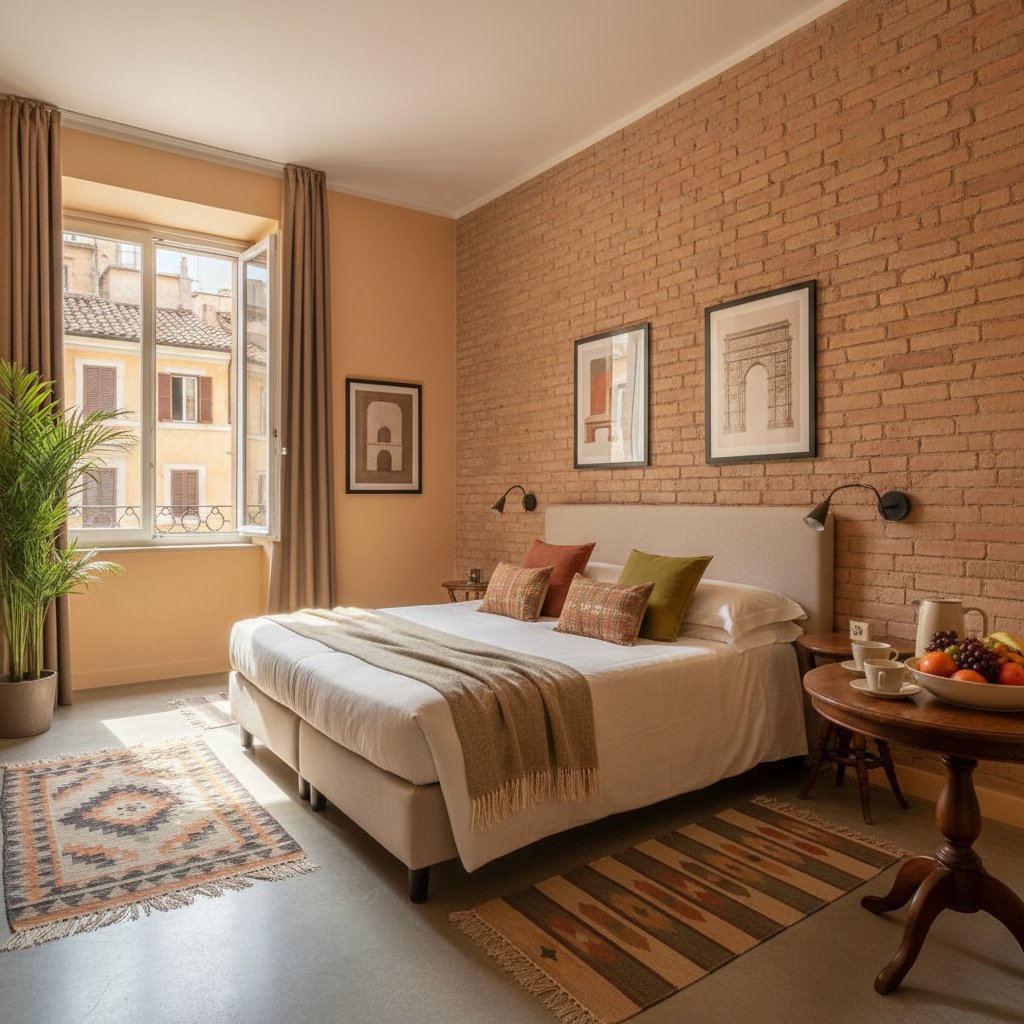
Budget Rome: 10 Neighbourhoods Where to Stay Well Without Overspending
Rome, the Eternal City, attracts millions of visitors each year with its millennia of history, breathtaking art, and delicious cuisine. Choosing where to stay can be a challenge, especially if you're looking for a good balance between location, comfort, and budget. Fortunately, several areas offer excellent value for money, allowing you to fully experience the magic of Rome without emptying your wallet.
This Resapass guide will take you on a journey to discover the ten best neighbourhoods where you can stay well in Rome without spending too much, providing practical tips for an unforgettable and affordable trip.
Planning a Weekend in Rome: Optimising Costs and Time
Planning a weekend in Rome requires strategy, especially if you want to save money while maintaining a high-quality experience. Focusing on good accommodation, efficient transport, and free or low-cost activities can drastically cut total expenses.
Rome is a city that lends itself well to exploration on foot, and many of its treasures are accessible for free, such as strolls in the historic centre or visits to piazzas and fountains. Choosing a well-connected neighbourhood with public transport is essential for optimising travel times and reducing taxi costs, allowing you to spend more time exploring the city and less in traffic.
When to Visit Rome to Save Money
Off-season or shoulder seasons are the best times to travel to Rome if you want to save money, avoiding peak months like Easter and summer. Visiting Rome between November and February (excluding Christmas holidays) or in March, October, and early May, can guarantee lower hotel prices and fewer crowds.
During these periods, you can find significant discounts on hotels, sometimes up to 30-40% compared to high season. For example, a room that costs €150 per night in July might be available for €90-100 in November, allowing a saving of approximately €120-200 on a two-night weekend. Flights also tend to be cheaper, contributing to an overall saving of at least €200-300 on the total travel budget.
Transport: How to Get Around Rome Economically
The most economical and often efficient way to explore Rome is to use public transport, particularly buses, trams, and the metro. Purchasing a multi-day pass can save money compared to single tickets.
The integrated time ticket (BIT) costs €1.50 and is valid for 100 minutes from the first validation, allowing one metro journey and an unlimited number of bus/tram journeys. For longer stays, the tourist ticket (ROMA 24/48/72 hours or weekly) is an excellent solution: a 72-hour ticket costs around €18, whereas three daily tickets would cost €21, saving approximately 15%. Avoiding taxis, which can be expensive, and preferring long walks to immerse yourself in the city's atmosphere is another valuable tip.
Free or Low-Cost Activities
Rome offers an endless array of attractions that are completely free or very low-cost. From walks through the alleys of the historic centre to visits to iconic squares like Piazza Navona and Trevi Fountain, access to many Roman marvels doesn't require a ticket.
Many churches and basilicas, including St. Peter's Basilica (excluding the dome), are free. A free visit to the Vatican Museums on the last Sunday of the month can also offer a unique experience, albeit with long queues. A picnic at Villa Borghese Park or a stroll along the Tiber are economical and pleasant alternatives. For those who want to delve deeper, there are free walking tours (tip-based) that offer an excellent overview of the city.
Central but Affordable Neighbourhoods: Proximity and Savings
Staying in central areas of Rome doesn't necessarily mean spending a fortune. Some neighbourhoods, while well-connected and close to main attractions, offer more accessible accommodation options than more touristy areas.
These neighbourhoods represent an ideal compromise for those who want to explore the city without overly relying on public transport, while still enjoying an authentic atmosphere and convenient services. The key is to carefully search for hotels and B&Bs that, while not luxurious, guarantee cleanliness, comfort, and a good location.
Monti: Bohemian Charm a Stone's Throw from the Colosseum
Monti is one of the most charming neighbourhoods in Rome, known for its cobbled streets, vintage shops, and art galleries, strategically located between the Colosseum and Termini Station. While central, it offers more varied and less expensive accommodation options than other areas.
Its bohemian atmosphere, numerous bars and restaurants, and proximity to attractions like the Roman Forum and Santa Maria Maggiore make it ideal. Here you can find B&Bs and small hotels with prices starting from around €80-100 per night off-season – a great deal considering the location and the neighbourhood's appeal. Many historic hotels offer renovated rooms that combine old-world charm with modern comforts. Search for a hotel in Monti.
San Lorenzo: Youthful and Lively Heart
San Lorenzo is Rome's university district, vibrant and full of energy, known for its nightlife, affordable restaurants, and authentic atmosphere. Located near Termini Station and La Sapienza University, it is well-connected to the rest of the city.
It's an excellent choice for young people and those seeking a more local experience, with a wide range of trattorias, pizzerias, and pubs at reasonable prices. Accommodation here tends to be cheaper, with hostels and B&Bs offering rooms starting from €60-80 per night. The presence of many students ensures a dynamic atmosphere and accessible dining options. For those who love nightlife and affordable prices, San Lorenzo is a winning choice.
Esquilino: The Multicultural Crossroads
Esquilino is one of Rome's seven hills and is a vibrant, multicultural neighbourhood situated between Termini Station and the Colosseum. It offers a wide choice of competitively priced accommodation, as well as colourful markets and ethnic restaurants.
Its strategic location makes it an excellent starting point for exploring the city, with Metro A and B easily accessible. Here you can find hotels of various categories, from budget to 3-star, with prices starting from €70-90 per night. The famous market in Piazza Vittorio Emanuele II offers a unique sensory experience and the chance to savour cuisines from around the world at modest prices. It's the perfect area for those seeking transport convenience and a cosmopolitan experience.
Characteristic Neighbourhoods: Authenticity and Good Value
For an immersion in authentic Roman life without spending a fortune, some historic neighbourhoods, less frequented by mass tourism, offer an unforgettable experience and cheaper accommodation. These areas allow you to live like a true Roman, away from the crowds, while remaining well-connected to the centre.
They are characterised by picturesque alleys, artisan shops, and traditional restaurants where you can taste real Roman cuisine at honest prices. Their distance from the tourist heart often means lower accommodation costs, but a more authentic and intimate atmosphere. Discovering these neighbourhoods is a way to appreciate a different, more genuine Rome.
Trastevere: The Soul of Rome at a Good Price
Trastevere is undoubtedly one of Rome's most iconic and beloved neighbourhoods, famous for its cobbled streets, traditional restaurants, and lively atmosphere. Although some areas have become more touristy, it's still possible to find good-value accommodation, especially by booking in advance or choosing smaller B&Bs.
The neighbourhood offers an authentic Roman experience, with nightlife spots, markets, and art galleries. Accommodation options include B&Bs, guesthouses, and apartments, with prices varying, but it's possible to find solutions from €90-120 per night, especially in less central streets, which still maintain excellent pedestrian accessibility. Trastevere's beauty and its privileged location make it an excellent choice for those seeking charm and nightlife. You might be interested in finding Hotels in Rome.
Testaccio: Culinary Tradition and Street Art
Testaccio is the historic neighbourhood of Roman cuisine and a centre of authenticity, less touristy than Trastevere but equally charming. Located on the left bank of the Tiber, it offers a mix of culinary tradition, street art, and local life, with very competitive accommodation prices.
Famous for the Testaccio Market, where you can sample local specialities, and for historic venues like Checchino dal 1887, it's perfect for foodies. Hotels and B&Bs here hover around €70-90 per night. The nightlife is more authentic and less tourist-oriented than in other areas. It's an excellent choice for those seeking a genuine culinary and cultural experience, with easy access to the centre via bus and tram. Take a look at Hotels in Madrid for an interesting alternative.
Garbatella: Historic and Residential District
Garbatella is a unique and captivating neighbourhood, conceived as a garden city in the 1920s, with distinctive architecture and a strong sense of community. It's an oasis of tranquility and authenticity, well-connected to the centre but far from the tourist chaos, which reflects in more accessible accommodation prices.
Here you'll find low-rise houses with gardens, internal courtyards, and a small-town atmosphere. Available accommodation includes mainly B&Bs and rental apartments, with average prices between €70-100 per night. It's ideal for those seeking a quiet base from which to explore the city, enjoying a more residential and authentic atmosphere. The Garbatella metro station allows you to reach the Colosseum in about ten minutes, making travel convenient. You might also want to read Your Ultimate Guide to Choosing the Perfect Hotel Abroad for useful tips.
Well-Connected Neighbourhoods: Convenience and Budget
For those who prioritise transport convenience and a limited budget, some suburban but extremely well-connected neighbourhoods offer an excellent solution for staying in Rome. These areas, while not in the city's beating heart, guarantee quick and easy access to main attractions thanks to an efficient public transport network.
Staying in these areas allows you to get significantly lower hotel rates, saving even 30-50% compared to the historic centre. This way you can enjoy a complete Roman stay without worrying about unnecessary costs, optimising your expenses and having a quiet place to return to after a day of exploration.
Nomentano/Bologna: Quiet University Area
The Nomentano neighbourhood, particularly the area around Piazza Bologna, is a smart choice for those seeking a quieter atmosphere and affordable prices, with excellent connections to the centre. It's a residential and university area, rich in services, shops, and honest-priced restaurants.
Bologna metro station (Line B) offers direct access to the Colosseum, Termini Station, and other important attractions in a few minutes (about 10-15 minutes to the Colosseum). Accommodation here includes 3-4-star hotels, B&Bs, and guesthouses, with average prices of €80-110 per night. It's ideal for families and for those who want a convenient and functional base, away from the tourist hustle and bustle. Consider also checking out Hotels in Amsterdam for other travel inspirations.
Appio Latino: Tranquillity and Proximity to Parco della Caffarella
The Appio Latino neighbourhood is an elegant and quiet residential area, located southeast of the historic centre, notoriously less touristy and therefore more affordable for accommodation. It offers an authentic atmosphere, with parks and green areas, ideal for those seeking rest after a day in the city.
Well-connected by Metro A (Re di Roma, Ponte Lungo, Furio Camillo stops), which takes you directly to Piazza di Spagna and Trevi Fountain in about 15-20 minutes, and by Tuscolana Station, with rail connections to Fiumicino Airport. Accommodation here is predominantly B&Bs and rental apartments, with prices starting from €70-100 per night. Proximity to Parco della Caffarella offers opportunities for walks and relaxation, an added value for your weekend.
Re di Roma/San Giovanni: History and Good Connections
The Re di Roma neighbourhood, adjacent to the larger San Giovanni, is a lively area rich in history, centred around the Basilica of San Giovanni in Laterano. It's an excellent choice for those seeking a good balance between affordability, local history, and excellent connections to the centre.
The Re di Roma metro stop on Line A provides easy access to major tourist attractions. The neighbourhood is known for its shops, local market, and traditional restaurants offering an authentic Roman experience. Accommodation, including hotels and B&Bs, tends to be more accessible than in more central areas, with rooms starting from €85-110 per night. It's perfect for those who want to explore a less famous Rome and enjoy a genuine Roman atmosphere. For more tips on saving money, read How to Find Cheap Hotels: Resapass Guide to Saving.
Ostiense/Marconi: Modernity, Art, and Innovation
Ostiense and Marconi are rapidly developing neighbourhoods, known for their young and dynamic atmosphere, a mix of industrial archaeology, street art, and modernity. In recent years, they have become centres of cultural and gastronomic innovation, offering an interesting alternative to more traditional neighbourhoods.
These areas are particularly suited for travellers seeking a different experience, with cutting-edge museums (like Centrale Montemartini), vibrant nightlife, and innovative restaurants. The availability of more affordable accommodation, combined with excellent connections, makes them an increasingly popular choice for a weekend in Rome.
Ostiense: Street Art and Alternative Nightlife
Ostiense is a transforming neighbourhood, famous for its impressive street art, trendy nightlife venues, and Centrale Montemartini, an industrial archaeology museum housing classical masterpieces. It's an excellent choice for those seeking a more modern and alternative experience, with a great selection of affordable dining options.
Ostiense train station and Piramide metro stop (Line B) effectively connect it to the historic centre and Trastevere. Accommodation, ranging from modern B&Bs to small boutique hotels, offers very competitive prices, often starting from €75-100 per night. It's a vibrant neighbourhood, ideal for young people and those who love to explore the city's new trends.
Marconi: Convenience and Access to Eur
Marconi is a well-served residential neighbourhood, located south of Testaccio and not far from EUR, Rome's business and exhibition hub. It offers an excellent combination of tranquility, services, and efficient connections to the centre and other areas of the city, all at very affordable accommodation prices.
Crossed by Viale Marconi, a commercial artery full of shops, it is connected by numerous buses and tram 8, which leads directly to Trastevere and Largo di Torre Argentina. Here you can find chain hotels and B&Bs at truly advantageous prices, with offers that can go down to €60-80 per night. It's a practical solution for those travelling for work but also wanting to enjoy the city, or for anyone seeking an economical but comfortable stay.
Resapass Tips for Saving on Your Hotel in Rome
Finding a great hotel in Rome without spending a fortune is possible with the right search and booking strategy. Resapass, with its 2 million bookable hotels worldwide, offers you the tools to unearth the best deals and enjoy a perfect stay, from a Romantic Weekend in France: 10 Hotels Under €200 to other adventures.
Here are some practical tips to maximise savings without compromising the quality of your trip to Rome. Remember, our goal is to make your travels accessible and stress-free.
Book in Advance or Last Minute
Hotel booking is one of the most important decisions for your travel budget. For Rome, booking well in advance (3-6 months prior) often guarantees the best rates, especially for low and mid-season periods. Many hotels offer early booking discounts, which can reach 15-20% off the standard price.
However, for flexible travellers, last-minute deals can also be a good strategy, especially in low season, with potential discounts of 20-30% on unsold rooms. Monitoring prices with Search for a hotel on Resapass will allow you to seize the best offers, whether you prefer to plan ahead or are a last-minute bargain hunter. You might also be interested in Last Minute Deals: Where to Find the Best Hotels?.
Flexibility with Dates and Location
Being flexible with travel dates is one of the most effective ways to save on accommodation in Rome. Avoiding long weekends, national holidays, and high season periods (generally April to June and September/October) can cut hotel costs by even 30-50%.
Similarly, being open to staying in less "central" but well-connected neighbourhoods, as described in this guide, will allow you to find great properties at lower prices. A stay from Monday to Thursday, for example, can cost significantly less than a weekend. On Resapass, you can easily compare prices for different dates and neighbourhoods to find the most convenient option for your needs.
Use Resapass Search Filters
Resapass offers advanced tools to refine your search and find the perfect hotel that fits your budget. Using search filters effectively is crucial for discovering the best deals.
You can filter by price, star rating, amenities (such as free Wi-Fi or inclusive breakfast), distance from the centre or a specific point of interest, and even by guest reviews. This allows you to view only properties that match your criteria, saving time and ensuring you don't miss out on opportunities. Remember that Resapass guarantees free cancellation on most rooms, no hidden fees, and tax-inclusive prices, to give you additional peace of mind. Our 7/7 customer support is always available for any needs. For more insights into our articles, visit All Articles.
FAQ: Frequently Asked Questions About Staying in Rome
Finding ideal accommodation in Rome often raises common questions, especially for those seeking an affordable yet comfortable stay. These FAQs aim to answer the most frequent queries, providing quick and useful responses to help you plan your Roman weekend stress-free and without overspending. From the best time to visit the city to the best modes of transport, and typical costs, you'll find essential information here to make informed decisions.
What is the best time to visit Rome to save on hotels?
The best time to visit Rome and save on hotels is during the low season, from November to February (excluding Christmas and New Year holidays), or in the months of March and October. During these months, accommodation prices are generally 20-40% lower than in the high summer or spring season, and there are fewer tourists.
How much does a hotel in an affordable area of Rome cost on average?
On average, a hotel or B&B in an affordable area of Rome, such as San Lorenzo, Esquilino, or Garbatella, can cost between €70 and €110 per night. However, with offers and advance bookings, it's possible to find solutions for as low as €60-70, especially in low season. Prices can vary based on offered services and how far in advance you book.
What are the most convenient means of transport for getting around Rome?
The most convenient means of transport in Rome are buses, trams, and the metro. It's advisable to purchase a multi-day pass (e.g., Rome 24/48/72 hours or weekly) if you plan to use them frequently, saving money compared to single tickets. A 72-hour ticket costs about €18. Walking is also a great way to explore the city and costs nothing.
Is it safe to stay in Rome's suburban neighbourhoods?
Yes, most of Rome's well-connected suburban neighbourhoods are safe and offer an authentic local experience. Neighbourhoods like Nomentano, Appio Latino, Garbatella, or Marconi are quiet residential areas. It's always advisable to take normal precautions, as in any large city, but there are no particular safety concerns in these areas.
Can I cancel my hotel reservation on Resapass?
Yes, Resapass offers free cancellation on most rooms. When searching and booking, always check the specific conditions of the room you are choosing. This provides you with flexibility and peace of mind, especially if your travel plans change. The cancellation policy is clearly indicated during the booking process and in the confirmation emails.
Are there any hidden costs when booking with Resapass?
Absolutely not. On Resapass, the prices you see are final and already include all taxes. We are committed to transparency and do not add hidden fees. Our "tax-inclusive prices" policy is one of our guarantees, ensuring you secure payment without unpleasant surprises.