
Tokyo Hotels: Expert Tips for Finding the Best Stays
Navigating Tokyo's competitive hotel market requires insider knowledge. Discover how to secure an exceptional stay, from budget-friendly options to luxury experiences, with Resapass.
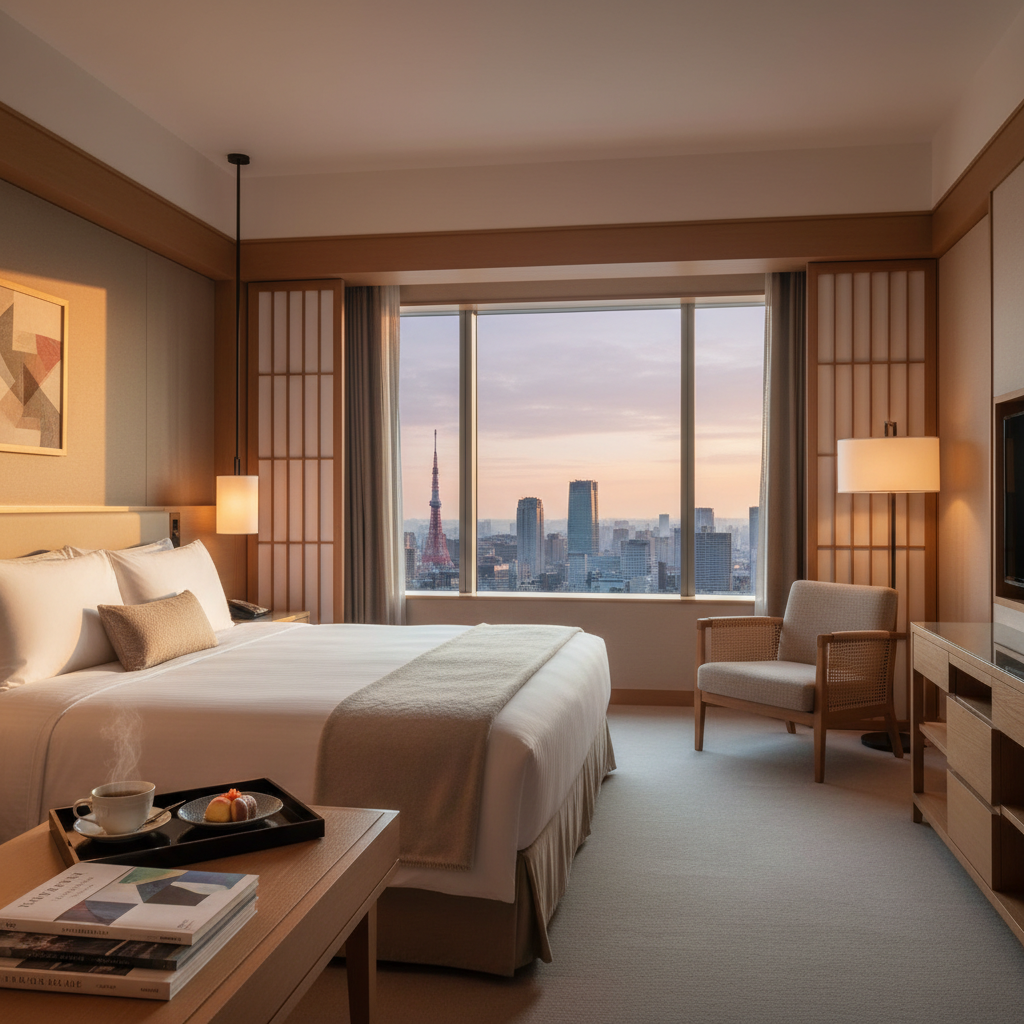
Tokyo Hotels: Expert Tips for Finding the Best Stays
Tokyo, a metropolis where ancient traditions meet dazzling modernity, offers an unparalleled travel experience. However, its competitive hotel market can make finding the perfect accommodation a daunting task. This guide provides expert advice to help you secure an exceptional stay in Tokyo, ensuring your visit is as comfortable as it is memorable.
Searching for the right hotel in Tokyo involves understanding its diverse districts, knowing when to book, and leveraging powerful search tools. Resapass offers access to 2 million hotels worldwide, giving you a strong advantage in this vibrant city.
Understanding Tokyo's Diverse Neighbourhoods
Tokyo is a sprawling city, and each neighbourhood offers a unique atmosphere and set of attractions. Choosing the right area is paramount to tailor your stay to your travel style and preferences.
Shinjuku: Urban Excitement & Nightlife
Shinjuku is ideal for first-time visitors and those seeking bustling city life, vibrant nightlife, and excellent transportation links. Here, you'll find towering skyscrapers, the serene Shinjuku Gyoen National Garden, and endless entertainment options. Accommodation ranges from luxury high-rises to more budget-friendly business hotels.
Resapass offers over 500 hotel options in the Shinjuku district alone, making it easy to compare and find the perfect match for your itinerary. Look for hotels near Shinjuku Station for ultimate convenience.
Shibuya & Harajuku: Fashion, Trends & Youth Culture
If you're interested in fashion, pop culture, and a youthful energetic vibe, Shibuya and Harajuku are your go-to districts. Shibuya Crossing is an iconic landmark, while Harajuku's Takeshita Street is a hub for unique style and street food. This area is fantastic for shoppers and those who enjoy being at the heart of trendsetting.
Hotels here tend to be modern and stylish, catering to a younger demographic, though luxury options are also plentiful. Expect a wide range of boutique hotels and international chains.
Ginza & Marunouchi: Luxury, Shopping & Fine Dining
For an upscale experience focusing on high-end shopping, gourmet dining, and cultural pursuits like the Kabuki-za Theatre, Ginza and Marunouchi are excellent choices. These districts offer sophisticated accommodation, often with impeccable service and amenities.
Hotels in this area skew towards the luxury segment, making it suitable for those willing to invest more for a refined experience. You'll find many international luxury brands and exquisite Japanese hospitality.
Asakusa & Ueno: Tradition, Culture & History
To immerse yourself in Tokyo's rich history and traditional side, consider staying in Asakusa or Ueno. Asakusa is home to the majestic Senso-ji Temple and the Nakamise-dori market, offering a glimpse into old Tokyo. Ueno boasts Ueno Park, with its numerous museums and the beautiful Ueno Zoo.
Accommodation here often includes more traditional Japanese inns (ryokans) alongside modern hotels, providing a diverse range of experiences suitable for cultural explorers and families. You can compare different types of stays easily on Resapass.
When to Plan Your Tokyo Trip
The timing of your visit can significantly impact hotel availability and pricing. Being strategic about when you travel can lead to both cost savings and a more enjoyable experience.
Peak Seasons: Spring & Autumn
Spring (March to May) and autumn (September to November) are generally considered the best times to visit Tokyo due to pleasant weather and beautiful natural scenery like cherry blossoms or autumn foliage. While these seasons offer unparalleled beauty, they are also peak tourist times.
During peak seasons, hotels book up quickly, and prices tend to be higher. It's advisable to book your accommodation at least 4-6 months in advance, especially if you have specific preferences or are travelling during major holidays like Golden Week (late April/early May).
Shoulder Seasons: Early Summer & Early Winter
Early summer (June) and early winter (December) can be excellent shoulder seasons to consider. June sees the start of the rainy season, but it's typically less crowded than peak spring. December offers festive illuminations and pre-holiday cheer, often with more manageable crowds than the absolute peak.
Hotel prices during these periods can be more competitive, and you might find better deals. Booking 3-4 months ahead should offer a good selection without the intense pressure of peak season.
Off-Peak Seasons: Mid-Summer & Mid-Winter
Mid-summer (July/August) and mid-winter (January/February) are generally off-peak due to high heat and humidity or colder temperatures. While these seasons might not offer the 'ideal' weather, they can present significant advantages for hotel bookings.
Hotel prices are often at their lowest, and you can frequently find last-minute deals. If you don't mind the weather extremes, these periods can be budget-friendly and offer a less crowded experience. For instance, you could save 15-25% on average hotel costs compared to peak spring prices.
Crucial Booking Strategies for Tokyo
Securing a great hotel in Tokyo's competitive market requires more than just searching; it demands strategic planning and leveraging the right tools. Here are key strategies to adopt.
Book Early, Especially for Popular Stays
Given Tokyo's reputation as a top global destination, popular hotels, especially those with unique features or prime locations, can be fully booked months in advance. Early booking is not just a recommendation; it's often a necessity.
Aim to book your Tokyo accommodation at least 3-6 months prior to your travel dates. For stays during national holidays, major events, or the cherry blossom season, extending this to 6-9 months can be beneficial. Early booking often secures better rates and a wider selection of room types, preventing disappointment.
Utilise Flexible Cancellation Options
Travel plans can change unexpectedly. When booking your hotel, prioritize options that offer free cancellation. This provides invaluable peace of mind and flexibility.
Resapass understands this need, offering free cancellation on most rooms. This policy allows you to secure a great find early without the worry of losing money if your itinerary shifts. Always double-check the specific cancellation terms for each room type before confirming your booking.
Leverage Comprehensive Hotel Search Engines
Don't limit your search to just one platform. Using comprehensive hotel search engines that aggregate options from numerous providers gives you the broadest view of available rooms and prices.
Resapass offers a vast selection of 2 million hotels worldwide, including an extensive range in Tokyo. Our platform allows you to filter by neighbourhood, price, amenities, and guest ratings, helping you pinpoint the ideal accommodation quickly and efficiently. You can search for hotels in Tokyo today to see the comprehensive options available.
Consider Alternative Accommodation Types
Tokyo offers more than just traditional hotels. Exploring alternative accommodation types can open up unique experiences and sometimes more budget-friendly options.
Look into traditional Ryokans (Japanese inns) for an authentic cultural stay, or capsule hotels for a unique, compact, and often very affordable experience. Serviced apartments are great for longer stays or families, offering more space and kitchen facilities. These alternatives can sometimes be less affected by the high demand for standard hotel rooms.
Unearthing Hidden Gems & Value Stays
Even in a market as competitive as Tokyo's, finding excellent value and unique experiences is possible. It requires a bit of savvy and knowing where to look.
Explore Less Central, Well-Connected Areas
While popular districts like Shinjuku and Shibuya are convenient, their popularity often translates to higher prices. Consider slightly less central but well-connected areas for better value.
Areas such as Shinagawa, Ueno, or Ikebukuro offer excellent transportation links to major attractions but often at a lower price point. You might find a hotel in Shinagawa for 15-20% less than a comparable one in Shinjuku, while still only being a 10-15 minute train ride away from key hubs. This strategy allows you to stretch your travel budget further without sacrificing convenience. You might want to consider this for your next trip, perhaps after exploring Hotels in Rome.
Look for Business Hotels & Chains
Japan has an abundance of efficient and well-maintained business hotels. These chains (e.g., APA Hotel, Toyoko Inn, Dormy Inn) offer comfortable, albeit compact, rooms with reliable service and amenities at a competitive price point.
They are a reliable option for budget-conscious travellers who prioritise clean rooms and good location over luxury. Many offer complimentary breakfast and public baths, adding to their value. These hotels are often found near train stations, making them incredibly convenient for exploring the city.
Utilise Guest Reviews & Ratings
Guest reviews and ratings are invaluable resources for finding hidden gems and ensuring quality. They provide real-world insights into cleanliness, service, location accuracy, and unexpected perks or drawbacks.
Pay attention to ratings above 8.0 on a 10-point scale for a generally good experience. Read through recent reviews, looking for recurring comments about specific aspects important to you, such as quietness, Wi-Fi speed, or breakfast quality. Resapass integrates these reviews directly into hotel listings, helping you make informed decisions.
Maximising Your Booking Experience with Resapass
Resapass is designed to simplify your hotel booking process, offering features that are particularly beneficial when navigating a market like Tokyo's.
Access to 2 Million Hotels Worldwide
Our extensive network of 2 million bookable hotels worldwide means you have an unparalleled selection at your fingertips. In Tokyo, this translates to hundreds, if not thousands, of options across every district and price point.
Whether you're seeking a budget-friendly capsule hotel, a comfortable business stay, or a luxurious five-star experience, Resapass connects you to the best options available. This comprehensive coverage ensures you won't miss out on that perfect stay.
No Hidden Fees & Tax-Inclusive Prices
Transparency is key to a stress-free booking experience. With Resapass, the price you see is the price you pay. We display tax-inclusive prices upfront, so you're never surprised by unexpected charges at checkout.
This commitment to no hidden fees allows for accurate budget planning and removes the guesswork from your accommodation costs. You can confidently compare options knowing the total cost from the start.
7/7 Customer Support & Secure Payment
Travel planning can sometimes be unpredictable, and having reliable support is crucial. Resapass offers 7/7 customer support to assist you with any queries or issues that may arise before, during, or after your booking.
Furthermore, all payments made through Resapass are secure, protecting your personal and financial information. We prioritise your peace of mind throughout the entire booking process. For more tips on travel planning, check out Your Ultimate Guide to Picking the Perfect Hotel Abroad.
Enjoying Your Tokyo Stay Beyond the Hotel
Tokyo offers an incredible array of experiences. Once your accommodation is sorted, you can focus on making the most of this captivating city. Always remember that good planning leads to a rewarding trip.
Navigating Tokyo's Public Transport
Tokyo's public transportation system is world-renowned for its efficiency, punctuality, and extensive network. The railway and subway lines are the most convenient way to get around the city.
Invest in a Suica or Pasmo IC card upon arrival; these rechargable cards work on almost all trains and buses in Tokyo and beyond. Familiarise yourself with key lines like the Yamanote Line (a loop line connecting major hubs) and the extensive Tokyo Metro network. Google Maps is an indispensable tool for real-time navigation and route planning.
Essential Tokyo Etiquette Tips
Understanding local customs can greatly enhance your experience and show respect for Japanese culture. Tokyoites generally appreciate polite and considerate behaviour.
Remember to queue patiently, avoid loud conversations on public transport, and refrain from eating or drinking while walking. When entering someone's home or certain traditional establishments, remove your shoes. A simple "Arigato gozaimasu" (thank you) goes a long way. For more destination specific advice, you could check info about other cities like Hotels in Paris.
Exploring Beyond the Major Sights
While iconic landmarks like the Tokyo Skytree, Imperial Palace, and Tsukiji Outer Market are must-sees, Tokyo offers countless lesser-known treasures. Venture into local neighbourhoods for a more authentic glimpse of daily life.
Explore quaint backstreets in Yanaka, discover independent boutiques in Shimokitazawa, or enjoy a quiet stroll through one of Tokyo's many beautiful parks. Engaging with local culture and cuisine beyond the main tourist routes often leads to the most memorable experiences. Sometimes the best finds are those less sought after, much like finding a great hotel in a tight market here in Tokyo, or similar challenges in Hotels in Bali.
Conclusion: Your Seamless Tokyo Stay Awaits
Finding a great hotel in Tokyo doesn't have to be a challenge. By understanding the city's diverse districts, strategically planning your visit, leveraging powerful booking tools like Resapass, and adopting smart booking strategies, you can secure the perfect accommodation for your Japanese adventure. With 2 million hotels available and transparent pricing, Resapass is your trusted partner in unlocking the best of Tokyo.
Start your Tokyo hotel search today and get ready to experience a city like no other. Your ideal stay, tailored to your preferences and budget, is just a few clicks away on Resapass.
FAQ: Your Tokyo Hotel Questions Answered
Q: What is the best neighbourhood for first-time visitors to Tokyo?
A: Shinjuku is often recommended for first-time visitors due to its excellent transport links, diverse attractions (shopping, parks, nightlife), and wide range of accommodation options. It provides a great central base for exploring the city.
Q: When should I book my Tokyo hotel to get the best prices?
A: For the best prices, aim to book during the off-peak seasons (mid-summer or mid-winter). However, for popular peak seasons like cherry blossom time, booking 6-9 months in advance is essential to secure availability, even if prices might be higher.
Q: Are Tokyo hotels expensive?
A: Tokyo hotels can vary greatly in price. While luxury options are plentiful and costly, there are many mid-range business hotels and unique budget stays like capsule hotels that offer excellent value, especially if booked strategically or during off-peak times.
Q: Do Tokyo hotels offer free cancellation?
A: Many hotels, especially those booked through platforms like Resapass, offer free cancellation on most rooms. It's crucial to always check the specific cancellation policy for each room type and booking before finalising to ensure flexibility.
Q: What's the advantage of using Resapass for Tokyo hotels?
A: Resapass provides access to 2 million hotels worldwide, including a vast selection in Tokyo. Key advantages include transparent, tax-inclusive prices with no hidden fees, free cancellation on most rooms, and 7/7 customer support, making your booking process secure and straightforward.
Q: Can I find traditional Japanese inns (Ryokans) on Resapass?
A: Yes, Resapass includes a variety of accommodation types, including traditional Japanese Ryokans, particularly in districts like Asakusa or Ueno. You can filter your search to find these unique cultural stays. For more travel tips, explore our All articles.