
Tokyo: Finding an Excellent Hotel in a Saturated Market
Discover how to navigate Tokyo's vibrant hotel market to find the perfect accommodation that suits your budget and preferences. Expert tips included.
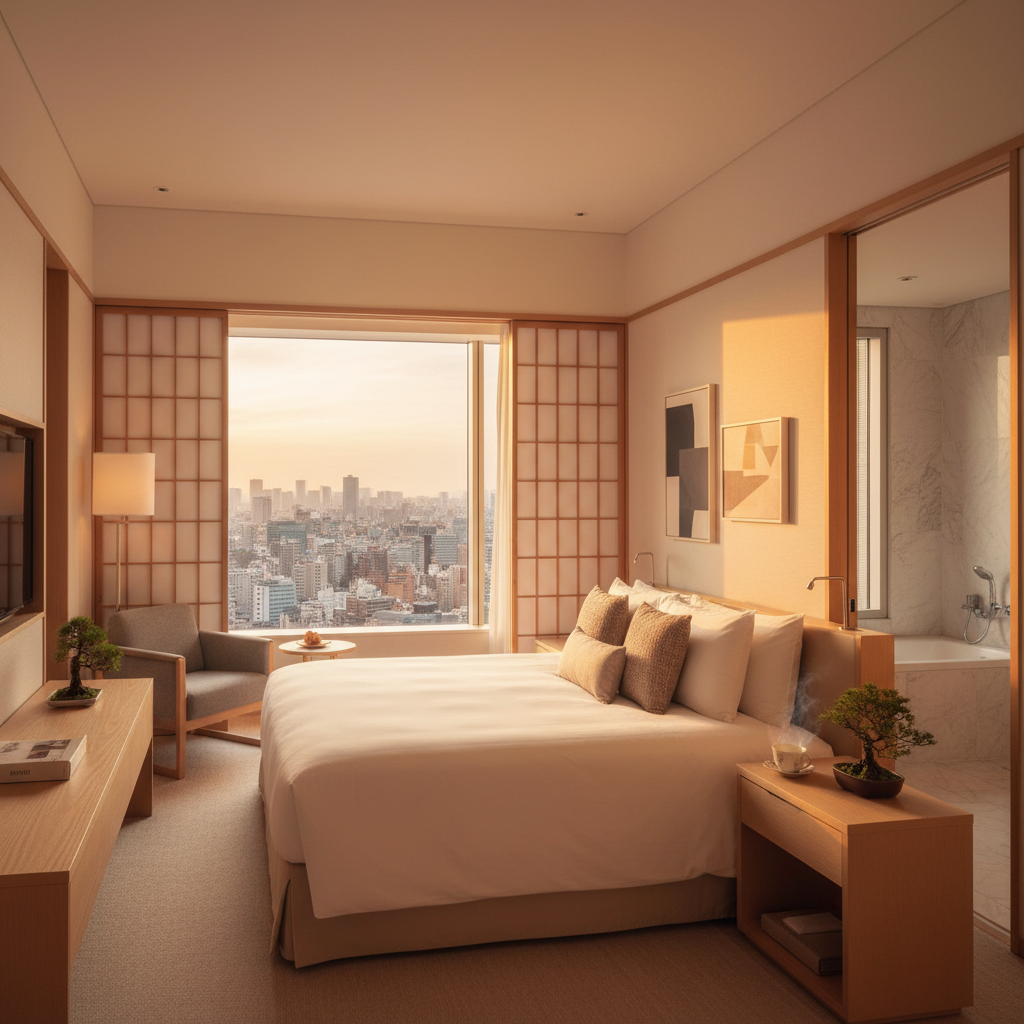
Tokyo is an extraordinary metropolis, a melting pot of tradition and innovation, where futuristic skyscrapers stand alongside ancient temples. The city offers an unforgettable experience, but finding the perfect accommodation can seem like a challenge, given the immense number of options available. This guide is designed to help you navigate Tokyo's vast and sometimes confusing hotel market, ensuring you find the ideal hotel for your needs and budget.
The key to a successful search in Tokyo is understanding that, despite the apparent saturation, excellent opportunities exist for every type of traveler. With strategic planning and the right tools, you can discover hidden gems and make the most of your stay.
Understanding Tokyo's Hotel Market
Tokyo's hotel market is incredibly diverse, offering everything from capsule hotels to luxurious resorts, each with its own peculiarities and advantages. Understanding this variety is the first step to refining your search and identifying the best option for your trip.
The Vast Choice of Accommodation
Tokyo boasts over 2 million bookable hotels globally through platforms like Resapass, and a significant portion of these are located in the Japanese capital. The city offers a full range of options: from economical hostels and capsule hotels, perfect for solo travelers or those on a budget (with prices starting from €30-€50 per night), to efficient business hotels, up to luxury hotels with impeccable services (where a night can exceed €300-€500). There are also more traditional accommodations such as ryokans, which offer an immersion into Japanese culture.
This abundance means there is a solution for almost every preference, but it requires a clear definition of your priorities. A good search begins with an awareness of the different types and what each can offer in terms of experience and cost. Remember that most rooms on Resapass offer free cancellation, a valuable flexibility in any travel planning.
Prices and Seasonality
Hotel prices in Tokyo vary significantly based on season, location, and type of accommodation. High season, which includes cherry blossom season (March-April) and national holidays, sees a significant increase in prices, sometimes 50-100% compared to low season. For example, a room costing €100 in a quiet period could rise to €180-€200 during Golden Week. Winter months (November-February, excluding New Year holidays) tend to be cheaper, with a possible price reduction of 20-30%.
It is essential to book well in advance, especially if traveling during peak periods, to secure the best rates and greatest availability. Monitoring prices a few months ahead can lead to considerable savings, even 15-20% on the total accommodation cost.
The Importance of Location
The choice of neighborhood is crucial in Tokyo, a vast city with an extremely efficient but also very busy public transport system. Opting for a hotel near a JR (Japan Railways) or subway station can drastically reduce travel times and stress. Neighborhoods like Shinjuku, Shibuya, Ginza, and Ueno offer excellent connectivity and vibrant nightlife or cultural life. For example, staying in Shinjuku provides direct access to many railway lines and a myriad of restaurants and shops, while a hotel in Ginza allows you to walk to some of the best luxury shops and restaurants.
Carefully consider your main interests: if you are a technology and nightlife enthusiast, Shibuya or Shinjuku might be ideal. If you are looking for art and culture, Ueno or Asakusa might be more suitable. Location not only affects convenience but also the type of experience you will have of the city, shaping your access to its endless attractions.
The Best Tokyo Neighborhoods for Every Type of Traveler
Choosing the right neighborhood in Tokyo is like choosing your "base of operations" for exploring the city. Each area has a distinctive character and offers a different experience, making it essential to align your neighborhood choice with your travel interests.
Shinjuku: The Beating Heart
Shinjuku is one of Tokyo's most dynamic districts, famous for its skyscrapers, vibrant nightlife, and large shopping centers. It is an excellent choice for those seeking a complete urban experience, with easy access to efficient public transport. Shinjuku Station is one of the busiest in the world, connecting the district to virtually every part of the city. Here you can find hotels of every category, from luxurious ones like the Park Hyatt Tokyo to more practical business hotels.
It is ideal for travelers who love city energy, good food, and shopping. Its proximity to attractions like Shinjuku Gyoen National Garden and the Tokyo Metropolitan Government Building Observation Decks makes it a perfect starting point for exploration. Entertainment options are limitless, from Golden Gai's bars to kabuki theaters.
Shibuya: Fashion and Youth Culture
Shibuya is synonymous with fashion, youth trends, and the iconic pedestrian crossing. This district is perfect for those who want to immerse themselves in Tokyo's modern and bustling atmosphere, with countless shops, trendy restaurants, and nightlife venues. Shibuya Station is also a major transport hub, ensuring easy connections to other areas.
If you are a trend-conscious traveler, a lover of shopping and nightlife, Shibuya will be your paradise. It also offers a good variety of hotels, with an emphasis on modern design and comfort-oriented services. It's a vibrant 24/7 area, offering an energetic Tokyo experience.
Ginza: Elegance and Luxury
For a more sophisticated and luxurious experience, Ginza is the ideal choice. This district is renowned for its high-end fashion stores, Michelin-starred restaurants, and art galleries. Hotels here tend to be high-end, offering impeccable service and superior comfort. Ginza is also well-connected, with several subway lines running through the area.
It is particularly suitable for those seeking an elegant stay, focused on refined culinary experiences and luxury shopping. If your budget allows, Ginza promises a top-class experience in the heart of Tokyo, with a prime location for exploring the Imperial Palace and the Tsukiji district as well.
Asakusa and Ueno: Tradition and Culture
If your main interest is Japanese culture and history, Asakusa and Ueno offer a more traditional atmosphere. Asakusa is famous for Senso-ji Temple, Tokyo's oldest, and its streets filled with traditional craft shops. Ueno hosts some of Tokyo's most important museums, including the Tokyo National Museum, and the park of the same name, ideal for relaxing walks.
These neighborhoods are ideal for families and those looking for a quieter, more cultural experience, away from the hustle and bustle of the more modern districts. They offer a good variety of hotels, often with a more authentic atmosphere and at slightly lower prices compared to Shinjuku or Ginza. You can easily find a hotel in Tokyo that suits this spirit.
Strategies for Finding the Best Deals in Tokyo
Finding great value for money in Tokyo, especially in such a competitive market, requires strategy and timing. There are several approaches you can take to secure the best rates without compromising the quality of your stay.
Booking in Advance
Early booking is one of the most effective strategies for getting the best rates in Tokyo. Many hotels offer significant discounts, sometimes 10-20%, for bookings made months in advance, especially for the most requested rooms or during high season. It is advisable to start looking for accommodation 3-6 months before your departure date, and even 9-12 months if you are traveling during special events or holidays. This not only guarantees a better price but also greater availability of choice, allowing you to select the location and type of hotel best suited to your needs. A search for a hotel in Paris or a hotel in Madrid would follow similar early booking principles to maximize savings.
Using Comparison Sites and Aggregators
Platforms like Resapass are powerful tools for comparing prices and availability of millions of hotels worldwide, including Tokyo. Using a hotel search engine allows you to filter results by price, neighborhood, amenities, and accommodation type, making your search much more efficient. These sites often also display reviews from other travelers, an excellent resource for evaluating the quality and reliability of a hotel. Don't forget that on Resapass, you'll find 7/7 customer support and no hidden fees: the price you see is the final price, taxes included. You can start your search for a hotel in Tokyo directly from here.
Flexibility with Dates and Accommodation Types
Being flexible with your travel dates can lead to significant savings. Traveling in low season or avoiding weekends and holidays can reduce accommodation costs by 20-40%. For example, staying from Monday to Thursday instead of Friday to Sunday can make a big difference. Also consider alternative accommodation types: if a traditional hotel is out of budget, a capsule hotel, a design hostel, or even an Airbnb could offer a great experience at a fraction of the cost. Many of these alternative accommodations offer high-quality services and unique opportunities to interact with other travelers or local culture.
Practical Considerations for Your Stay in Tokyo
Beyond choosing your hotel, there are several practical considerations that can significantly enhance your stay in Tokyo. From transport efficiency to luggage management, every detail counts for a stress-free trip in this vibrant metropolis.
Public Transport: The Key to Success
Tokyo's public transport system is renowned for its efficiency, punctuality, and widespread coverage. The train and subway network is so extensive that it is possible to reach virtually any point in the city. Purchasing a rechargeable IC card (Suica or Pasmo) is highly recommended; it makes using transport extremely simple and fast, eliminating the need to buy single tickets for each journey. Major stations, such as Shinjuku, Shibuya, and Tokyo Station, are true hubs from which countless lines depart and arrive.
While walking is a great way to explore, Tokyo's vastness makes public transport indispensable. Plan your routes in advance using apps like Google Maps, which provides precise directions for trains and connections, also taking into account minimal delays or crowds. Many hotels are located within a few minutes' walk of a station, a convenience that should not be underestimated when evaluating accommodation.
Japanese Room Sizes
It is important to note that hotel room sizes in Japan, especially in urban areas like Tokyo, tend to be smaller than Western standards. Standard single or double rooms might offer limited space, often between 12 and 18 square meters. If you are traveling with a lot of luggage or need more space, you might consider booking a higher category room or a hotel with larger rooms, although this might entail a higher cost.
Many Japanese hotels, however, compensate for the smaller space with intelligent design and extreme efficiency. Rooms are often equipped with all necessary amenities, optimized to make the most of every square centimeter. If size is a concern, carefully check room descriptions and reviews before booking to ensure they meet your expectations.
Connectivity and Services
Most hotels in Tokyo offer free and high-quality Wi-Fi, a service that is now standard and essential for any traveler. However, it is always good practice to check for this service and its coverage before booking. Many hotels also offer other useful services, such as coin-operated laundries, vending machines for drinks and snacks, and sometimes even onsen (hot springs) or gyms.
To stay connected outside the hotel, consider renting a pocket Wi-Fi or purchasing a local prepaid SIM card. This will allow you to browse the internet, use navigation apps, and communicate seamlessly during your explorations of the city. These devices are readily available at the airport or in electronics stores in the city.
Tokyo Hotels: The Resapass Advantage
Choosing the right accommodation can be the difference between a good trip and an unforgettable experience. With Resapass, you can confidently navigate Tokyo's vast hotel market, knowing you have access to a transparent and reliable service. We offer a wide selection of over 2 million hotels, ensuring you will always find the perfect option for your trip.
Wide Selection and Transparent Prices
With such a vast selection, from budget options to luxury stays, Resapass allows you to explore all possibilities in Tokyo. Our prices are always shown inclusive of taxes, eliminating unpleasant surprises from hidden fees. This means the price you see is exactly what you will pay, allowing you to manage your budget with greater precision. Transparency is a fundamental pillar of our offering, ensuring you can compare options fairly and informatively.
Flexibility and Security
We know that travel plans can change, and that's why most rooms bookable through Resapass include the free cancellation option. This flexibility offers you peace of mind, knowing that you can modify or cancel your booking without additional costs, should your needs change. Furthermore, all payments are securely processed, protecting your personal and financial data. Traveling should be a pleasant and worry-free experience, and we are committed to making it so with every booking. For more tips on how to choose your hotel, you can also consult Your Ultimate Guide to Choosing the Perfect Hotel Abroad.
Dedicated Customer Support
Our customer support team is available 7 days a week to help you with any questions or issues you may have, from booking to check-out. Whether it's a query about your booking, a special request, or an unforeseen need, we are here to support you. Our mission is to make your booking experience as smooth and pleasant as possible, so you can focus on organizing your unforgettable trip to Tokyo. Visit our All Articles section to discover more travel tips.
Additional Tips for an Unforgettable Stay
Beyond the hotel search, some additional tips can further enrich your trip to Tokyo, transforming it into a truly unique and personalized experience.
Exploring Beyond the Beaten Path
While the main tourist districts are unmissable, Tokyo offers endless opportunities for exploration off the beaten path. Consider visiting lesser-known neighborhoods like Shimokitazawa, famous for its vintage shops and independent cafes, or Yanaka, an area that retains the atmosphere of old Tokyo with temples and picturesque streets. These areas offer a more authentic glimpse into local life and can be easily explored thanks to the efficient transport network.
Take a day to wander through the streets, discover small restaurants or artisan shops. You might also find unique accommodation options in these areas, perhaps a small family-run ryokan offering a more intimate and personalized experience, with a potential cost of about €80-€120 per night, depending on the period.
Immersing in the Gastronomic Culture
Tokyo is a global culinary capital, with an incredible variety of restaurants ranging from inexpensive ramen stalls to Michelin-starred establishments. Don't limit yourself to just tourist restaurants. Explore local markets, such as the Tsukiji Outer Market, or try an izakaya (Japanese pub) for a more authentic and social dining experience. Many restaurants offer lunch menus at much more affordable prices, a great opportunity to enjoy fine dining without spending a fortune (lunch at a good quality restaurant can cost between €15 and €30, compared to €50-€100 for dinner).
Don't be afraid to try new and different dishes. Food is a fundamental part of the travel experience in Japan, and Tokyo offers an unlimited range of flavors and culinary traditions to discover, from sushi to tempura, from okonomiyaki to yakitori.
Learning Basic Japanese Phrases
Although many people in Tokyo, especially in the tourism sector, speak English, learning some basic Japanese phrases can make a big difference. A simple \"Arigato gozaimasu\" (thank you), \"Sumimasen\" (excuse me/pardon me), or \"Konnichiwa\" (good day) can open doors and show respect for the local culture. Japanese people greatly appreciate visitors' efforts to communicate in their language, even if imperfectly.
This small gesture can improve your interactions with locals, making your trip more rewarding and personal. There are many apps and online resources to learn essential phrases in just a few days, requiring only 15-20 minutes of practice daily.
FAQ
What is the best time to visit Tokyo for good hotel deals?
The best time to find good deals is during the low season, which includes the winter months (November-February, excluding the New Year period) and early summer (June-early July). Avoid cherry blossom season (March-April) and Golden Week (late April-early May) if saving money is your priority.
Which are the most affordable neighborhoods to stay in Tokyo?
Neighborhoods like Ikebukuro, Ueno, or Shinagawa tend to have more affordable options compared to Shinjuku or Shibuya, while still offering excellent public transport connectivity. You can find hotels with rooms starting from €60-€80 per night in these areas.
Do I need to book my Tokyo hotel far in advance?
Yes, it is highly advisable to book at least 3-6 months in advance, especially if you are traveling during high season or desire specific hotels. For peak periods, such as cherry blossom season, booking 9-12 months prior can secure better rates and availability.
How can I get around Tokyo stress-free?
The easiest way is to use the public transport system. Purchase a rechargeable Suica or Pasmo card and use Google Maps for navigation. It is efficient, punctual, and covers the entire city. Taxis are available but more expensive.
Is it common to find hotels with breakfast included in Tokyo?
Many business hotels and some mid-range hotels offer breakfast included, often with both Western and Japanese options. However, it is not a universal feature, especially in more economical hotels or capsule hotels. Always check the hotel description. A typical budget for breakfast outside the hotel can range from €8 to €20.
What are the benefits of booking with Resapass for Tokyo?
Resapass offers a vast selection of over 2 million hotels, transparent prices (taxes included), free cancellation on most rooms, secure payments, and 7/7 customer support. This ensures a worry-free booking and a more serene travel experience.