
Where to stay in Barcelona on a budget: a guide to affordable areas and accommodation
where to stay in barcelona on a budget: compare areas, accommodation and transport before booking.

Key Takeaways
Barcelona can still be explored on a modest budget if you choose a neighbourhood and accommodation that fit your plans. A little flexibility with dates and a careful check of the full booking cost can make a real difference.
- El Raval, Poble-sec, Gràcia and Sants each offer a different balance of location, atmosphere and value.
- Hostels, guesthouses, budget hotels and apartments suit different budgets and levels of privacy.
- Check journey times and transport links, not just the nightly room rate.
- Compare dates and cancellation terms, then check the final price for extra charges.
- Reviews, room details and practical check-in information are worth checking before you book.
Which Barcelona neighbourhoods offer the best value?
The best-value area depends on what you want to see and how much time you plan to spend getting around. A lower room rate a little further from the centre can work well, but only if the transport connections suit your itinerary. These neighbourhoods offer different ways to balance cost and convenience, though prices vary by date and property. For a wider comparison, browse Barcelona hotel options by area.
El Raval for central sights and lower-cost stays
El Raval puts many central sights within walking distance, which can help keep local transport costs down. It has a lively, varied feel, and streets can differ noticeably from one block to the next. Read recent reviews and check the exact address rather than judging a property by its neighbourhood name alone. If you like exploring on foot and want to be close to the old centre, it may be worth comparing with quieter districts.
Poble-sec for tapas bars and easy access to Montjuïc
Poble-sec is a useful base if you want neighbourhood bars and an easy route towards Montjuïc. It is south-west of the old centre, so some sightseeing may involve a walk or a short public-transport ride. The area can suit travellers who prefer an evening of local food to staying right beside the busiest attractions. Check the walk to the nearest station and the route back to your accommodation at night.
Gràcia for a village feel beyond the busiest tourist areas
Gràcia has a more residential rhythm, with small squares, cafés and streets that feel distinct from the central tourist core. It may offer a better fit if you want a quieter base and do not mind travelling further for some landmarks. The table below gives a simple way to compare the trade-offs; it is a starting point, not a promise of lower prices.
| Area | Often suits | Main trade-off |
|---|---|---|
| El Raval | Walking to central sights | Busy streets and varied surroundings |
| Poble-sec | Tapas and Montjuïc visits | Some sights need a ride or longer walk |
| Gràcia | A more residential feel | More travel to some central attractions |
| Sants | Rail connections and a local base | Further from the old centre |
Treat the nightly rate and the journey together: a room that costs less can still be a good choice if the location works for your plans. For another perspective on neighbourhood character, this Barcelona area guide can help you compare what matters most to you.
Sants for transport links and value away from the centre
Sants is a practical choice if arriving by train or travelling around the region is part of your trip. It is less atmospheric than some central districts, but that can be an advantage if you value straightforward connections and a less tourist-focused setting. Compare the exact location with the station and the places you plan to visit. A convenient connection can save both time and the need to choose a more central, costly room.
What types of budget accommodation can you choose?
The cheapest option is not always the one with the lowest nightly rate: shared facilities, cleaning charges or limited services may change what feels worthwhile. Decide how much privacy and space you need before narrowing the search. Barcelona has a range of accommodation styles, but availability, conditions and costs vary between properties. Look closely at what is included rather than relying on the category name.
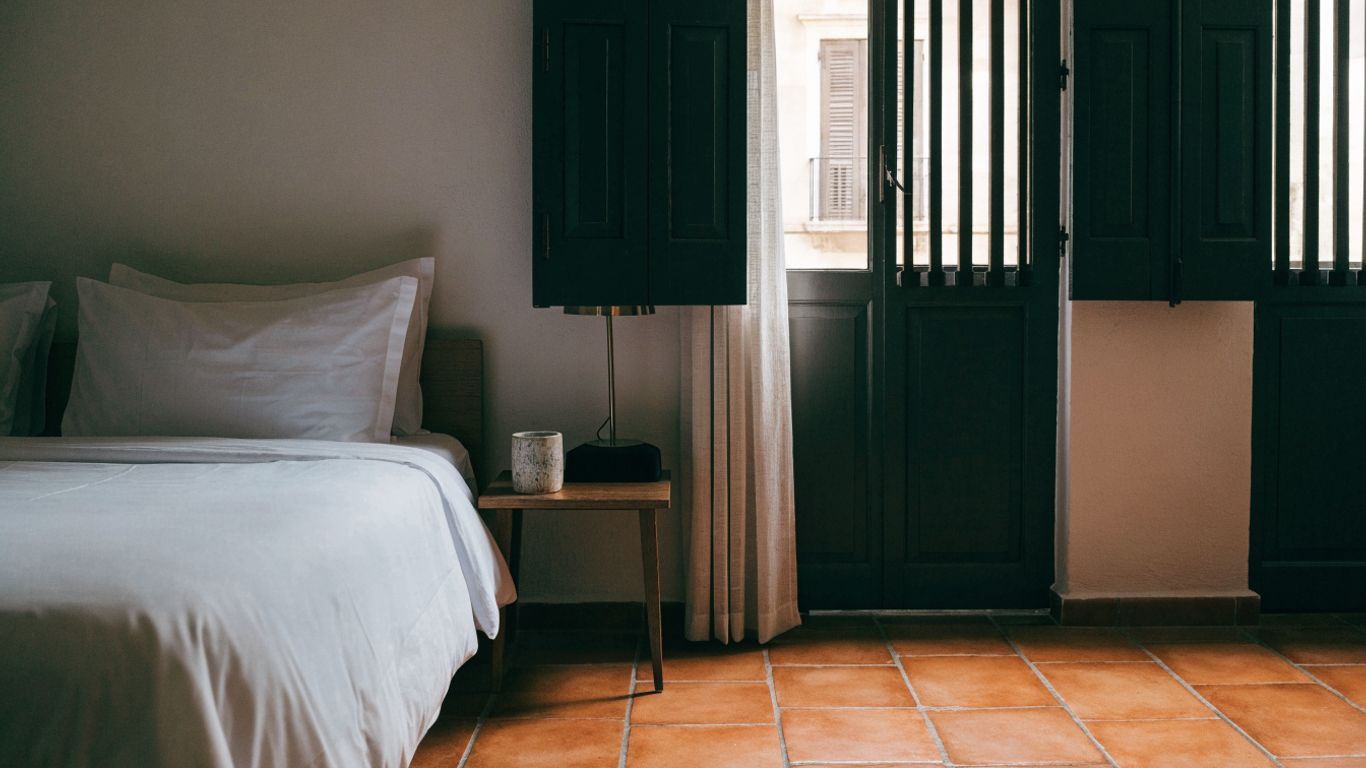
Hostels for low nightly rates and shared facilities
Hostels can suit solo travellers and groups who are comfortable sharing some facilities. Dormitory beds are often the budget-oriented choice, while private rooms may cost more but still offer a hostel setting. Check whether bathrooms are shared, whether linen is included and what the house rules say. A property’s location and recent comments can matter just as much as its headline rate.
Guesthouses and pensions for simple private rooms
Guesthouses and pensions can offer a private room without the services of a larger hotel. Facilities are usually property-specific, so read the room description carefully and confirm whether a bathroom is private. They may appeal if you want a quieter, simpler stay and plan to spend most of the day out. Check how reception and arrival arrangements work, especially if your journey reaches the city late.
Budget hotels for more privacy and on-site services
A budget hotel can be a sensible middle ground if you want a private room and a more predictable set of services. Compare what is actually included: breakfast, reception hours and luggage storage are not universal. A slightly higher rate may make sense if it saves you from paying separately for something you need. Look at the total cost across your dates before deciding.
Apartments for longer stays, subject to local rules and fees
An apartment may be useful for a longer stay, particularly if having more space matters to you. Before booking, check the cleaning fee, any minimum-stay conditions and what kitchen equipment is supplied. Short-term rental rules can change, so confirm that the listing is operating under the local requirements that apply to your stay. Do not assume that a lower nightly figure means a lower total bill.
How do you choose the right area for your trip?
Start with the places you most want to visit, then consider how often you are willing to travel across the city. Your best base may not be the district closest to every attraction; it may be the one that makes your overall days easier. Compare the room cost with the time and expense of getting around. A little planning can help you avoid paying for a central address you will barely use.
Balance room prices against travel time to major sights
Think about your likely days rather than measuring distance to one landmark. If your plans cluster around the old town, staying nearby may mean fewer journeys; if you expect to explore several districts, a well-connected base outside it may work better. Consider walking time as well as public transport, especially if you will return to your room during the day. The aim is a comfortable balance, not the shortest possible route to every sight.
Check Metro and train links before you book
Use a map to check the nearest Metro or train station and the route from there to your main destinations. Pay attention to whether a journey involves a transfer and how far you will walk at either end. A property described as central can still be inconvenient if it is poorly placed for your itinerary. You can also check whether the route is practical with luggage before settling on a location.
Consider noise, nightlife and the street around the property
A lively location may be welcome when you want bars and restaurants nearby, but it can also mean late-night noise. Reviews often give a clearer picture of this than a short property description. Look for comments about street noise, thin walls and sleep, and see whether they are recent and repeated. If you are a light sleeper, a room facing an inner courtyard or a quieter street may be worth prioritising.
Match the neighbourhood to your plans and travel style
A couple planning quiet evenings may prefer a different base from friends who want to stay close to nightlife. Families might care more about space, a lift and easy access to meals, while a short city break may favour a central location. Think about the parts of the day you value most, not just the sights on your list. Choose for your actual routine, and the area is more likely to feel right once you arrive.
When and how can you find a cheaper stay?
Rates can shift with the day of the week, season, local demand and major events, so it pays to compare dates rather than assume one period is always cheapest. Once you have a shortlist, check the conditions as carefully as the rate itself. Resapass is an alternative to Booking.com with negotiated hotel rates; its stated comparison is that rates are cheaper about six times in ten and about 18% cheaper on average. Treat those figures as a general comparison, not a guarantee for a particular room or date.
Compare prices across weekdays, weekends and seasons
If your travel dates are flexible, compare a few nearby date combinations before committing. Weekend demand can differ from weekdays, and busy periods may affect both availability and cost. It can also help to check whether moving your stay by a day changes the total. A small shift is only worthwhile if it still fits your plans and travel arrangements.
Book early for busy periods and major events
For a popular event or a particularly busy travel period, searching early gives you more options to compare. That does not mean you need to book the first suitable room you see; review location, room details and terms first. If your plans are uncertain, pay attention to the cancellation conditions. A good choice is one that fits both your budget and your level of flexibility.
Check flexible rates and cancellation conditions
A flexible rate can be useful when plans may change, but the exact conditions vary by room. Before booking, check the deadline for cancellation and whether any payment is non-refundable. A short checklist can keep the comparison focused:
- Confirm the cancellation deadline and any fee.
- Check whether payment is due now or later.
- See what the room rate includes.
- Save the booking details and confirmation.
These checks help you compare like with like instead of choosing on the headline rate alone. If you want to explore the available options, you can compare Barcelona stays and review the terms for each room.
Compare the total price, including taxes and extra charges
Look for the full amount payable, including any taxes or property charges shown during booking. Check whether breakfast, cleaning or other extras are optional or already included. Resapass describes its rates as negotiated, so compare the displayed total and the room conditions with the options you are considering. A clear final price makes it easier to decide whether the saving is meaningful for your trip.
How can you keep transport and daily costs down?
Accommodation is only one part of the budget. Where you stay can affect transport costs, while breakfast and cooking facilities can change how much you spend during the day. Consider your habits: an apartment kitchen is less useful if you expect to eat out, and a central room may be worth its cost if you plan to walk everywhere. A realistic daily plan makes these trade-offs easier to judge.
Use public transport to reach sights beyond the centre
Public transport can be a practical way to reach attractions that are too far to walk comfortably. Check the journey in advance and compare it with the time and cost of travelling from your accommodation. If you will be out all day, group nearby sights together where possible rather than crossing the city repeatedly. Leave some room in the plan for slower journeys and breaks.
Look for accommodation near a Metro or train station
A nearby station can make an outer neighbourhood feel more convenient, particularly if your plans cover several parts of Barcelona. Check the actual walking route, not just the distance on a map, and consider your arrival with luggage. A station connection can also be helpful when you are travelling to or from a main rail hub. Choose based on the lines you are likely to use, not proximity alone.
Choose a stay with breakfast or kitchen access when useful
Breakfast included can be good value if you would otherwise buy it nearby, but it is not automatically the best option. For a longer stay, kitchen access may make it easier to prepare some meals; check what equipment is available and whether the space is shared. Compare the added cost with what you realistically expect to use. Convenience counts too, particularly on a short trip.
Check whether a transport pass suits your itinerary
A transport pass is not necessarily the cheapest choice for every visitor. Estimate how many journeys you are likely to make, and check which services and zones the pass covers. If most of your plans are within walking distance, individual journeys may suit you better. The right option depends on your schedule, not simply the number of days you are in the city.
What should you check before booking?
A careful final check can prevent small surprises from turning into practical problems. Compare the listing with recent guest feedback, and make sure the location and room type match what you have in mind. Check arrival details and the final cancellation terms before paying. These details may seem routine, but they can make a noticeable difference to how smoothly your stay begins.
Read recent reviews about cleanliness, noise and service
Read a selection of recent reviews rather than relying on a single overall score. Look for repeated comments about cleanliness, noise, staff communication and the accuracy of the listing. A one-off complaint may not tell you much, but a pattern is worth considering. Reviews are most useful when they relate to the room type and circumstances you are booking.
Confirm the exact location and room facilities
Check the address on a map and make sure the accommodation is in the area you intended to book. Read the room details for essentials such as a private bathroom, air conditioning or a lift, if these matter to you. Photos can help, but they may not show the exact room you will receive. Ask the property for clarification before booking if an important detail is unclear.
Check check-in times, luggage storage and accessibility
Confirm the arrival window and what to do if your transport is delayed. Luggage storage may not be available, and access arrangements can differ when reception is not staffed throughout the day. If you need step-free access or particular facilities, ask directly and get a clear answer. A little practical checking can make arrival much less stressful.
Review the cancellation policy and final price
Before confirming, read the cancellation terms for the specific room and check the complete amount due. Make sure you understand any payment schedule and whether the rate includes the services you expect. If you are comparing several options, keep the location, room conditions and cancellation terms in view alongside the price. That gives you a fairer basis for choosing.
Conclusion
Finding where to stay in Barcelona on a budget is a matter of matching neighbourhood, accommodation and travel plans rather than chasing the lowest headline rate. Compare the total cost, check the practical details and choose a base that suits the way you want to spend your days. For another price check, compare on Resapass.
Frequently Asked Questions
Which Barcelona neighbourhood is best for a budget stay?
There is no single best choice for every trip. El Raval, Poble-sec, Gràcia and Sants offer different balances of location, atmosphere and transport, so compare them against your itinerary and dates.
Is it better to stay in central Barcelona?
A central stay can reduce travel time and make walking to sights easier, but it may not suit every budget. Compare the room rate with transport costs and the time needed to reach the places you plan to visit.
Are hostels a good option for visitors to Barcelona?
Hostels can work well if you are comfortable with shared facilities and want a lower-cost place to sleep. Check whether you are booking a dormitory bed or private room, and read the house rules and recent reviews.
Are apartments suitable for a short stay?
They can be, but check the total price, cleaning charges, minimum-stay conditions and facilities before booking. Confirm that the accommodation complies with the local rules that apply to your visit.
When should I book accommodation in Barcelona?
For busy periods or major events, searching early can give you a broader choice. If your dates are flexible, compare nearby weekdays and weekends as well as different seasons.
How can I avoid extra accommodation costs?
Read the final price details and check what is included, including taxes, breakfast and cleaning. Review cancellation terms and any additional charges before confirming the booking.
What should I check in guest reviews?
Look for recent, repeated comments about cleanliness, noise, service and whether the property matches its description. Also check the exact location and practical arrival arrangements before you book.