
Where to stay in Paris on a budget: an affordable neighbourhood guide
Find where to stay in paris on a budget with neighbourhood, transport and booking tips.
Key Takeaways
A good-value Paris stay is about more than the nightly rate: transport, room essentials and the full cost all matter.
- Compare neighbourhoods by Metro access as well as distance from the sights.
- Consider the 10th and 11th for central access, or the 19th and 20th for a more residential feel.
- Check the total price and what is included before choosing a room.
- Read recent reviews and cancellation terms, and compare more than one set of dates.
- Choose a stay that fits your plans, rather than the lowest rate on its own.
Which Paris neighbourhoods offer good value?
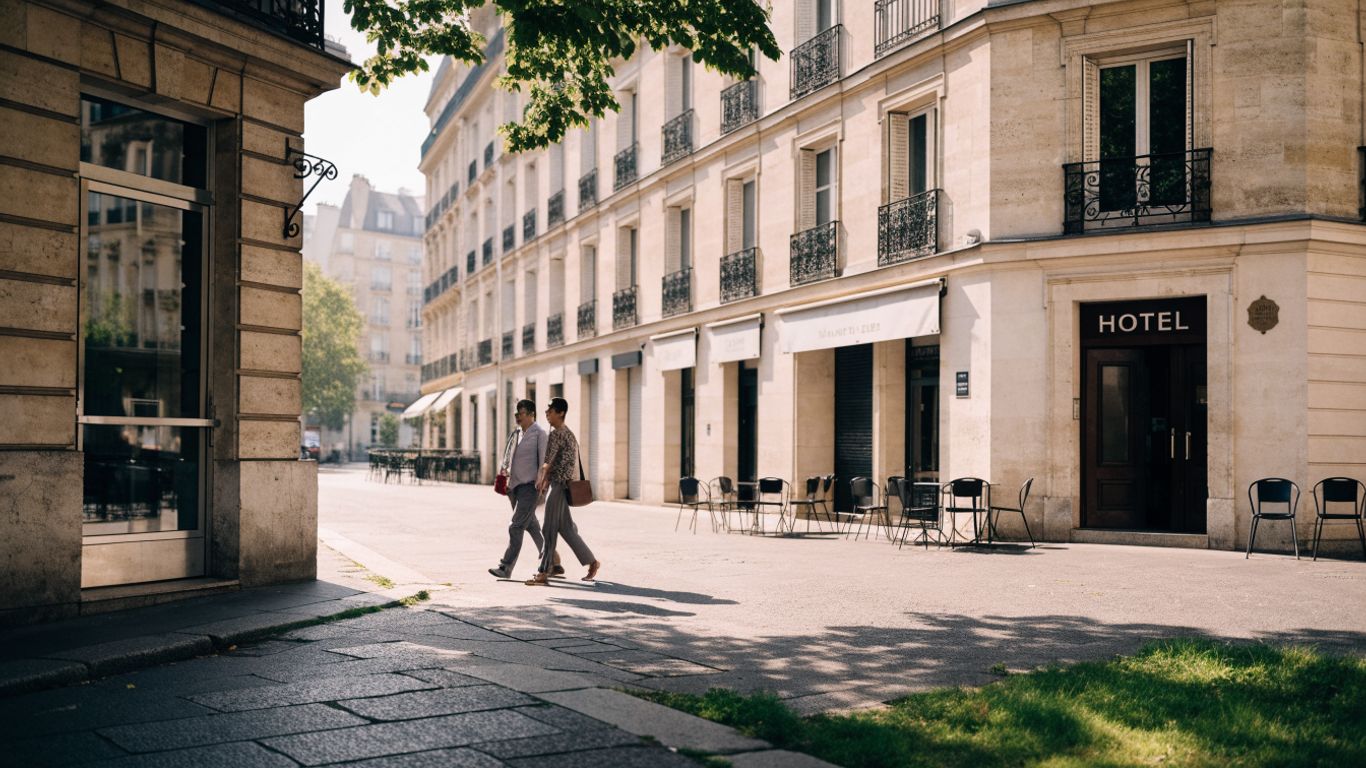
The best place to stay depends on how you want to spend your days, and how much time you are happy to spend travelling across the city. Central neighbourhoods can make walks and quick returns to your room easier, while areas farther out may offer a calmer base. When looking for where to stay in paris on a budget, compare the location and transport links alongside the nightly rate.
Compare the 10th and 11th arrondissements for central access
The 10th and 11th arrondissements can suit travellers who want a lively setting with useful connections across Paris. Rather than treating either as a single uniform area, look at the streets around the specific accommodation and the nearest Metro station. A short walk to transport may be worth more than being marginally closer to a landmark.
For a broader sense of how location and value fit together, browse this Paris budget stay guide. Resapass is an alternative to Booking.com, with negotiated rates; its figures say it is cheaper about 6 times in 10 and about 18% cheaper on average. These are comparison figures, not a promise that every room or date will cost less.
Consider the 19th and 20th for a more residential feel
The 19th and 20th can appeal if you prefer a neighbourhood atmosphere to a stay surrounded by the busiest visitor spots. Check the exact address, nearby shops and how easily you can reach your planned destinations. A place that feels pleasantly residential during the day may also mean a longer return journey after dinner, so weigh the trade-off before booking.
A simple comparison can help make the choice less abstract. Treat these as broad starting points, then compare actual properties and their transport links rather than assuming every street in an arrondissement feels the same.
| What to compare | More central base | Further-out base |
|---|---|---|
| Getting around | More sights may be walkable | Metro links matter more |
| Local feel | Often busier with visitors | Can feel more residential |
| Daily routine | Easier to return between plans | Travel may need more planning |
Use the table as a prompt, not a fixed ranking: the best fit depends on your itinerary and the accommodation itself.
Look beyond the centre while staying near a Metro station
A stay beyond the most central districts can still work well if a Metro station is an easy walk away and the route suits your plans. Check the journey to the places you expect to visit, rather than relying on a map’s straight-line distance. This first-visit neighbourhood guide offers another perspective on balancing atmosphere, location and budget.
What types of budget accommodation can you choose?
Paris has several kinds of accommodation to consider, from compact hotel rooms to shared hostel spaces and private rooms. The right option depends on how much privacy you want, how many people are travelling and whether you plan to spend much time in the room. Compare what is included as carefully as the headline rate.
Compare budget hotels with hostels and private rooms
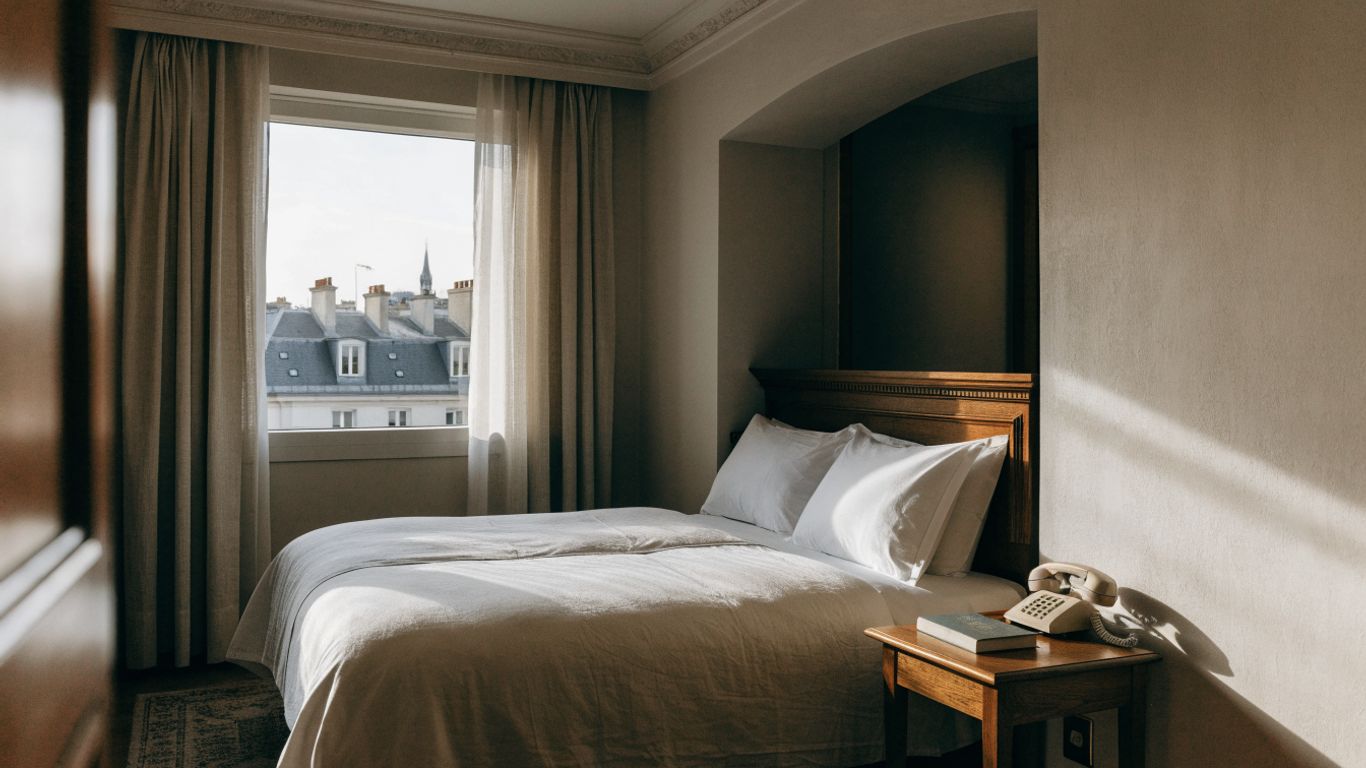
A budget hotel can offer a private room and a straightforward base, while hostels may suit travellers who are comfortable sharing some facilities. Private rooms in guest accommodation can sit between those options, but standards and house rules vary. Read the description closely so you know what is private, what is shared and how check-in works.
The right comparison is not simply hotel versus hostel. Think about how you sleep, whether you need privacy and how much of your trip will be spent at the accommodation; those details often matter more than a small difference in the rate.
Check whether a guesthouse or aparthotel suits your trip
A guesthouse may feel more personal, while an aparthotel can be useful if you value extra space or want facilities for a longer stay. Check whether the listing specifies a kitchen, reception hours and cleaning arrangements rather than assuming these are standard. A feature only saves money if you will actually use it.
Weigh a lower nightly rate against room size and facilities
A low rate can be tempting, but a small room or limited facilities may not suit every traveller. Decide which comforts are essential before comparing options: perhaps a private bathroom, a lift, air conditioning in warm weather or somewhere to leave luggage. A good-value room is one that works for your trip, not merely the one with the lowest displayed figure.
How can you choose the right area for your trip?
Start with the shape of your days: which sights are priorities, where you expect to eat and whether you want to return to your room between outings. Paris is large enough that a well-chosen base can make a trip feel easier, even if it is not right beside a famous landmark. Make a short list before you choose a neighbourhood.
Match your neighbourhood to the sights you plan to visit
Group the places you hope to see, then look for an area that makes those journeys practical. If your plans are spread across the city, favour good connections over choosing a base beside just one attraction. A useful location can also be a quieter street near a direct route, rather than the busiest spot on the map.
Check Metro and night transport links before booking
Look up the nearest Metro station and check the route to the places you are most likely to visit. If you expect to stay out late, confirm what transport options are available for your return rather than assuming the daytime route will work at every hour. Keep in mind that the walk from the station to the accommodation is part of the journey too.
Before settling on an address, use this quick check to see whether the area fits your plans:
- Map the main sights you expect to visit.
- Check the walk between the property and its nearest station.
- Review late-night routes for evenings out.
- Consider whether nearby food shops and cafés would be useful.
These small checks can reveal a location that looks convenient online but adds friction to your day. If the route feels awkward, compare another area before committing.
Consider noise, walking distances and late-night plans
A lively location can be a pleasure when you want cafés and evening activity close by, but it may bring more street noise. Read recent comments about noise and consider whether the room faces a busy road or courtyard. If you are a light sleeper, a quieter street may be worth a little extra walking.
What should you include in your accommodation budget?
The room rate is only one part of a stay’s cost. Check what the displayed total covers, then allow for food, local transport and any extras you expect to use. A clear comparison helps avoid choosing a seemingly inexpensive room that costs more once the practical details are added.

Compare the full price, including taxes and extra charges
Compare the amount due for the whole stay, not just the nightly figure shown at first. Check taxes, cleaning or service charges where relevant, and whether the price changes with the number of guests. Resapass presents hotel rates with the price displayed as the price paid, so review the final booking details and conditions before confirming.
Allow for meals, local transport and other daily costs
A hotel farther from your plans might have a lower rate but require more journeys, while a room with a kitchen could be useful if you intend to prepare some meals. Think through the routine you are likely to have rather than trying to minimise every individual cost. The best overall choice is the one that fits your actual habits.
Check what is included, from breakfast to Wi-Fi
Breakfast, Wi-Fi, luggage storage and access to a private bathroom can affect how convenient a stay feels. Details differ by property and room type, so read the listing rather than relying on the accommodation category. If breakfast is not included, decide whether nearby cafés suit you better anyway.
When and how should you book a budget stay?
A little flexibility can open up more options, but a sensible booking is also one you understand. Compare your preferred dates with nearby alternatives, read recent guest feedback and check the cancellation and payment terms. For more practical ideas, you can compare hotel options before making a decision.
Compare dates and stay lengths to find better-value options
If your plans allow it, compare nearby dates and different stay lengths. Rates and availability can vary, and a small shift in your schedule may make a better-located room possible. Consider the cost of the entire stay, not only whether a particular night looks inexpensive.
Read recent reviews for cleanliness, comfort and service
Recent reviews can help you understand the condition of the rooms and how the accommodation handles everyday needs. Look for recurring comments about cleanliness, noise, check-in and staff service, rather than relying on one unusually positive or negative account. Match the feedback to what matters most to you.
Check cancellation terms and payment conditions before booking
Read the cancellation deadline, payment schedule and any conditions that apply to the selected room. Flexible terms can be useful if your plans might change, but do not assume they apply to every rate. Make sure the guest details and dates are correct before you complete the booking.
How can you balance price, comfort and convenience?
There is no single best balance for every Paris trip. A room for a couple on a short city break may need different facilities from a family stay or a longer visit. Decide what you genuinely need, then compare accommodation that meets those needs at a location you can use comfortably.
Decide which facilities matter most for your stay
Separate essentials from nice-to-haves before you start comparing. For some travellers, a private bathroom and quiet room matter most; others may care more about a lift, a desk or room to prepare simple meals. A clear shortlist makes it easier to avoid paying for facilities you will not use.
Check the route between your accommodation and key destinations
Look at the actual route from the property to your key destinations, including the walk to transport and any changes along the way. A map can make two areas appear close while the practical journey differs. If you are travelling with children, luggage or mobility needs, allow for the effort as well as the travel time.
Avoid choosing a stay on price alone if it adds time or travel costs
The cheapest room may still be the wrong choice if it creates inconvenient journeys or makes it harder to rest between activities. Weigh the total cost against the time and comfort you gain from a better-suited location. For additional ideas on planning an affordable trip, see this cheap Paris weekend guide.
Conclusion
A budget-friendly Paris stay comes from choosing a neighbourhood that suits your plans, checking the full cost and being realistic about the comforts you need. Compare the journey as well as the room, and read the conditions before you book.
Compare your options
Compare Paris stays on Resapass, explore Paris hotel options, and compare on Resapass.
Frequently Asked Questions
Which Paris neighbourhoods are good for a budget stay?
The 10th and 11th can offer central access, while the 19th and 20th may suit travellers looking for a more residential feel. Compare the exact address and transport links, as conditions vary from street to street.
Is it better to stay in central Paris or farther out?
A central stay can reduce some journeys, while a place farther out may suit your budget or preference for a quieter base. Check the route to the places you plan to visit before deciding.
How can I find accommodation near a Metro station?
Check the property address on a map and measure the walk to the nearest station. Then look at the route from that station to your main destinations, including any changes.
What should I check before booking a budget hotel?
Review the full price, room details, recent guest feedback, payment conditions and cancellation terms. Confirm what is included and whether facilities listed are available for your selected room.
Are hostels a good option for a Paris trip?
They can suit travellers who are comfortable with shared spaces and want a lower-cost option. Check the room arrangement, bathroom access, quiet hours and storage before booking.
Should I include transport in my accommodation budget?
Yes. Consider how often you are likely to travel and whether the location makes your planned journeys straightforward. A lower room rate may not be the best overall value if it adds inconvenient trips.
When should I book a budget stay in Paris?
Compare options as soon as your dates are reasonably settled, then check nearby dates if your schedule is flexible. Read the booking conditions before confirming, especially if your plans may change.