
Tokyo Hotels: Expert Tips for Navigating a Competitive Market
Discover how to secure the best hotels in Tokyo's bustling market. This guide offers expert advice on neighbourhoods, booking strategies, and value-finding.
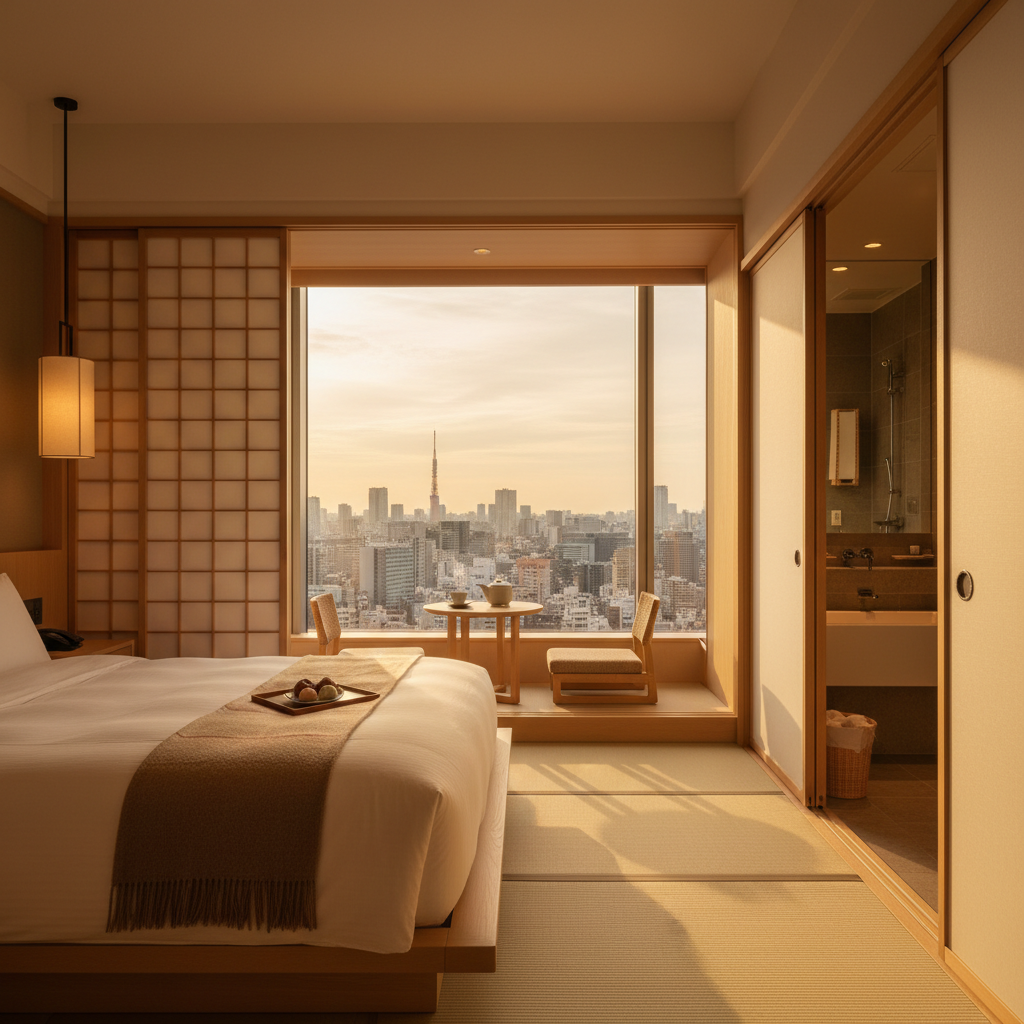
Tokyo, a sprawling metropolis renowned for its vibrant culture, cutting-edge technology, and profound historical roots, presents an unparalleled travel experience. However, its immense popularity often translates into a highly competitive hotel market, making it challenging for visitors to secure ideal accommodation. This guide provides expert insights and actionable strategies to help you navigate Tokyo's hotel landscape and find a perfect stay that balances comfort, location, and value.
Understanding Tokyo's Hotel Landscape
Tokyo's hotel market is dynamic and diverse, offering everything from luxurious international chains to unique boutique stays and budget-friendly options. Recognising the various types of accommodation available and understanding their typical pricing structures is the first step towards a successful booking.
Diverse Accommodation Options
Tokyo offers a vast array of accommodation types, catering to every preference and budget. From iconic five-star hotels in areas like Marunouchi and Shinjuku to charming ryokans in historical Asakusa, the choices are plentiful. Business hotels, known for their efficiency and compact rooms, are a popular mid-range option, while capsule hotels provide a unique and ultra-budget experience.
Serviced apartments are also becoming increasingly popular for longer stays, offering more space and self-catering facilities. For those seeking an authentic Japanese experience, a stay in a traditional ryokan, often featuring tatami mats and communal baths, is highly recommended, especially in areas like Taito or within easy reach of Hakone for a day trip.
Seasonal Price Fluctuations
Hotel prices in Tokyo can fluctuate significantly based on the season and major events. The spring (March-April) cherry blossom season and autumn (October-November) foliage are peak travel times, driving prices up by 20-40% or more. Similarly, major holidays like Golden Week (early May) and the New Year period see increased demand and higher rates.
Conversely, the summer months (July-August), while hot and humid, can sometimes offer better value, particularly outside of the Obon festival. The winter months (December-February), excluding the New Year, often present the best opportunities for more competitive pricing. Always check the local event calendar before finalising your travel dates to anticipate potential price surges. For more general advice on finding great value, consider reading Last-Minute Bargains: Where to Find the Best Hotels?.
Strategic Booking: When and How to Book
Securing a great hotel in Tokyo's tight market requires strategic planning, particularly regarding booking timing and utilising comprehensive search platforms. Early booking is almost always advantageous, especially during peak seasons.
The Importance of Early Booking
Booking your Tokyo accommodation well in advance, ideally 4-6 months before your trip, is crucial, particularly if you're travelling during popular periods like cherry blossom season or Golden Week. This strategy not only provides a wider selection of hotels but also often locks in more favourable rates before demand drives prices up.
Waiting until the last minute dramatically reduces your options and typically results in paying a premium for remaining rooms. For high-demand times, some travellers even book 9-12 months out to secure specific, highly sought-after properties or unique stays. Proactive booking can lead to savings of 15-25% compared to last-minute rates.
Leveraging Hotel Search Engines
Utilising comprehensive hotel search engines is key to comparing a vast array of options efficiently. Platforms like Resapass aggregate listings from 2 million hotels worldwide, allowing you to filter by price, location, amenities, and guest reviews. This breadth of choice ensures you can find a hotel that perfectly matches your preferences and budget.
When using such tools, pay close attention to the "free cancellation" option, which most rooms offer. This flexibility is invaluable, allowing you to adjust your plans if unforeseen circumstances arise without financial penalty. Always ensure the price displayed is tax-inclusive to avoid any hidden fees upon checkout, a standard practice on reputable booking sites.
Choosing the Right Neighbourhood
Tokyo's vastness means that choosing the right neighbourhood is paramount to your travel experience. Each area offers a distinct atmosphere and access to different attractions, influencing your daily commute and overall convenience.
Iconic Areas and Their Charms
- Shinjuku: A bustling hub known for its skyscrapers, entertainment, shopping, and vibrant nightlife. Ideal for first-time visitors seeking excitement and excellent transport links. Hotels here range from luxury to business-oriented.
- Shibuya: Famous for its iconic scramble crossing, fashion trends, and youth culture. Great for shoppers and those wanting to experience modern Tokyo. Accommodation is generally mid-range to high-end.
- Ginza: Tokyo's upscale shopping district, offering luxury boutiques, fine dining, and cultural venues like the Kabuki-za Theatre. Perfect for travellers seeking sophistication and high-end experiences.
- Asakusa: Home to the historic Senso-ji Temple, offering a glimpse into old Tokyo. Ideal for culture seekers and those who appreciate a more traditional atmosphere. Features many traditional ryokans and mid-range hotels.
- Ueno: A cultural hotspot with numerous museums, Ueno Park, and a zoo. Good for families and those interested in art and history. Offers a mix of budget-friendly and mid-range hotels.
Transport and Accessibility Considerations
Tokyo's public transport system is one of the most efficient in the world, but staying near a major JR station (e.g., Shinjuku, Tokyo Station, Ueno) or a subway hub significantly enhances your accessibility. Proximity to multiple train lines allows for quicker and easier navigation across the city, saving valuable time and reducing stress.
Consider the frequency of your planned destinations. If you're focusing on eastern Tokyo (Asakusa, Ueno), staying in those areas makes sense. If you plan to explore widely, a central location like Shinjuku or Shibuya, with direct access to major JR lines, might be more suitable. A well-located hotel can cut commuting time by 30-45 minutes per day, freeing up more time for sightseeing.
Value for Money: Beyond Just Price
Finding value in Tokyo's hotel market goes beyond just the nightly rate; it involves considering amenities, guest reviews, and the overall experience offered. A slightly higher price for better convenience or superior service can often result in a more satisfying trip.
Amenities and Services That Matter
When comparing hotels, look beyond the basic room rate. Essential amenities like complimentary Wi-Fi, a decent breakfast, and laundry facilities can add significant value. In a city where space is at a premium, a hotel that offers a larger room, a comfortable bed, or even a small lounge area can make a big difference to your comfort.
Other services to consider include 24-hour reception (especially for late arrivals), luggage storage, and a concierge service for local recommendations or booking assistance. Some hotels offer unique perks like on-site public baths (onsen/sento) or city views, which can enhance your stay without necessarily breaking the bank. Always verify what is included in the price; Resapass ensures all listed prices are tax-inclusive and free of hidden fees.
Reading Guest Reviews and Ratings
Guest reviews are an invaluable resource for assessing the true quality and value of a hotel. Pay attention to recurring comments regarding cleanliness, staff friendliness, room size, and noise levels. A hotel with a consistently high rating (e.g., 8.0+ out of 10) on reputable platforms usually indicates a reliable choice.
Look for detailed reviews that mention specific aspects of their stay, both positive and negative. For instance, a review mentioning "small rooms but impeccably clean" or "excellent English-speaking staff" provides more insight than a generic five-star rating. This qualitative data helps set realistic expectations and avoid potential disappointments.
Maximising Your Savings and Experience
Even in a competitive market like Tokyo, there are strategies to maximise your savings without compromising on the quality of your experience. Flexibility, careful planning, and utilising specific booking features can yield significant benefits.
Off-Peak Travel and Mid-Week Stays
If your travel dates are flexible, consider visiting Tokyo during the off-peak season (e.g., late May, early June, or November for autumn foliage) or the shoulder seasons to avoid the highest prices and crowds. Travelling mid-week (Tuesday to Thursday nights) often results in lower hotel rates compared to weekends, when demand from domestic travellers increases.
Shifting your stay by even a day or two can sometimes lead to savings of 10-20%. Use the flexible date search options on booking platforms to compare prices across a range of dates, allowing you to pinpoint the most cost-effective period for your visit. For inspiration on other destinations, explore Hotels in Lisbonne or Hotels in Bali.
Booking with Free Cancellation
Always prioritise hotels that offer free cancellation on most rooms, a feature readily available on Resapass. This flexibility provides peace of mind, allowing you to book early to secure a good rate and then adjust or cancel your reservation if your plans change without incurring penalties. This is especially useful when booking several months in advance, as travel plans can evolve.
Free cancellation means you can lock in a great deal and continue to monitor prices closer to your travel date. If a better offer arises, you have the freedom to rebook. This strategy combines the benefits of early booking with the flexibility to adapt to market changes.
Resapass: Your Partner in Tokyo Hotel Search
Resapass is designed to simplify your hotel search in Tokyo, offering a user-friendly platform with a vast inventory and crucial features that benefit travellers.
2 Million Hotels Worldwide, Including Tokyo
With access to 2 million bookable hotels globally, Resapass offers an extensive selection in Tokyo, from budget-friendly options to luxurious stays. Our comprehensive database ensures you have a wide range of choices, making it easier to find accommodation that fits your specific needs and preferences. Start your Search a hotel today.
Secure Booking and Customer Support
We prioritise your security with secure payment systems, ensuring your transactions are protected. Furthermore, our 7/7 customer support team is available to assist you with any queries or issues before, during, or after your booking, providing an extra layer of reassurance for your trip to Tokyo. Our commitment to no hidden fees means the price you see is the price you pay, with all taxes included.
Navigating Tokyo's competitive hotel market requires a blend of strategic planning and the right tools. By understanding the diverse accommodation options, booking well in advance, choosing the best neighbourhood for your needs, and leveraging platforms like Resapass, you can secure an ideal hotel that enhances your unforgettable journey to this incredible city. Remember to always consider value beyond just the price and utilise features like free cancellation for maximum flexibility. Discover more travel insights on our All articles page or explore Tokyo Hotels: Expert Tips for Finding the Best Stays.
FAQ: Your Tokyo Hotel Questions Answered
Q: What is the best time to book a hotel in Tokyo?
A: For peak seasons like cherry blossom (March-April) and autumn foliage (October-November), book 6-9 months in advance. For off-peak, 3-4 months is generally sufficient to secure good rates and availability.
Q: Which Tokyo neighbourhood is best for first-time visitors?
A: Shinjuku and Shibuya are excellent choices for first-timers due to their vibrant atmosphere, extensive shopping, dining, and superb transport links to other parts of the city.
Q: Can I find budget-friendly hotels in Tokyo?
A: Yes, Tokyo offers various budget-friendly options, including business hotels, capsule hotels, and guesthouses, particularly in areas like Ueno, Asakusa, and Ikebukuro. Booking in advance and travelling during off-peak times helps secure better rates.
Q: Are hidden fees common when booking hotels in Tokyo?
A: Reputable booking platforms like Resapass display tax-inclusive prices with no hidden fees. Always double-check the final price breakdown before confirming your reservation to ensure transparency.
Q: Is free cancellation available for most Tokyo hotels?
A: Many hotels, especially when booked through platforms like Resapass, offer free cancellation on most rooms. This flexibility is highly recommended, allowing you to adjust your plans without financial penalties. Always verify the cancellation policy before booking.
Q: How can I ensure I'm getting a good deal on a Tokyo hotel?
A: Compare prices across different booking platforms, read recent guest reviews, consider booking during off-peak or mid-week, and look for hotels offering value-added amenities. Utilise search filters on platforms like Resapass to refine your options and find the best fit for your budget. You can start your Search a hotel with us.