
Your Ultimate Guide to Choosing the Perfect Hotel Abroad
Explore the world with confidence: this comprehensive guide provides the keys to selecting the ideal hotel in any destination, ensuring an unforgettable and stress-free travel experience.
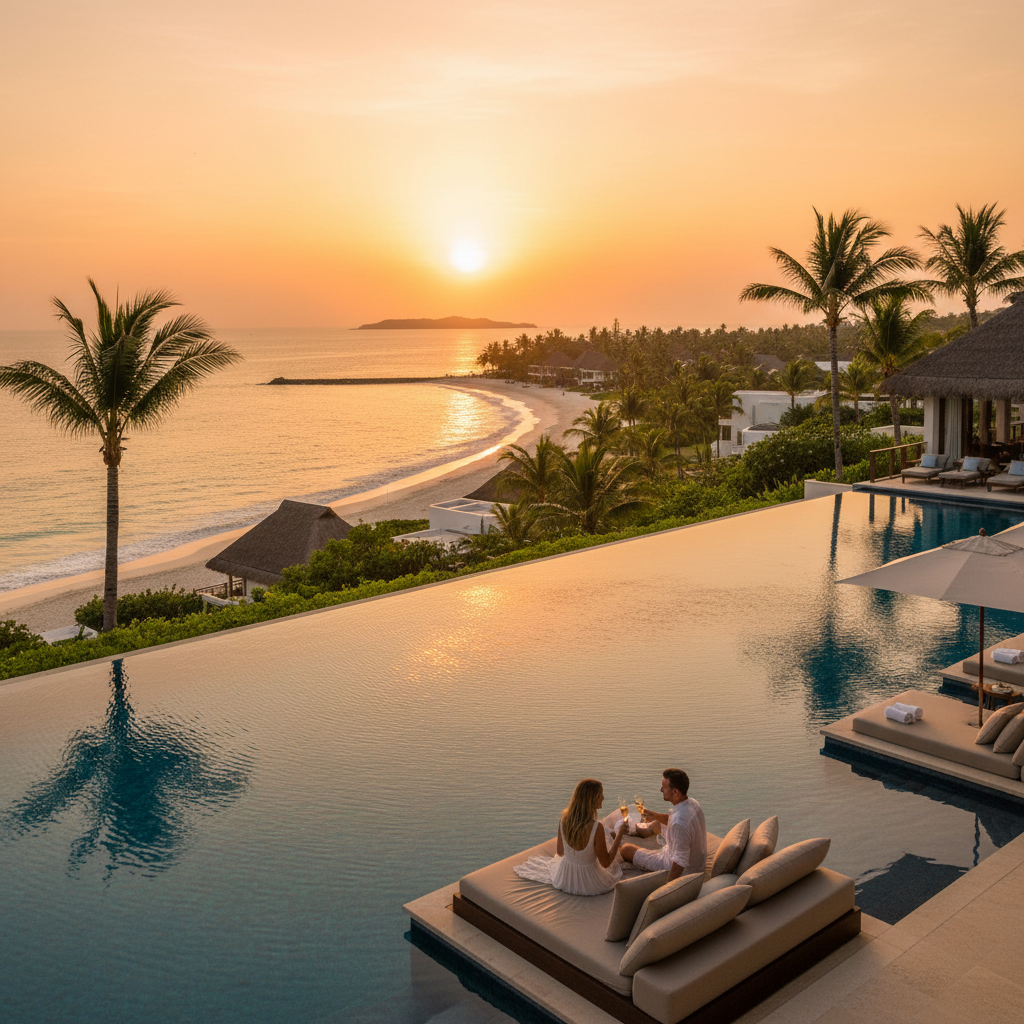
Your Ultimate Guide to Choosing the Perfect Hotel Abroad
Choosing the right hotel in a foreign country is one of the most important decisions to guarantee a pleasant and stress-free trip. It goes beyond simply finding a place to sleep; it's about ensuring your accommodation complements your travel plans, budget, and cultural expectations.
This comprehensive guide will provide you with all the tools and knowledge needed to make informed decisions, from initial research to final booking. We will explore how factors such as location, accommodation type, reviews, and cancellation policies can significantly influence your experience, ensuring every night is as perfect as the day preceding it.
The Importance of a Smart Choice
A good hotel choice can transform a good trip into an exceptional one, while a bad one can spoil even the most anticipated adventure. Accommodation is your sanctuary, your base of operations, and often your first contact with the local culture.
A well-chosen hotel can save you time and money on transport, offer genuine cultural immersion, and provide the comfort needed to recharge. Conversely, a poorly located hotel, with deficient services or unpleasant surprises, can lead to frustration and unexpected expenses, such as having to find new accommodation or incurring excessive transfer costs. For example, opting for a hotel on the outskirts of a city to save 20€/night could cost you 50€ daily in public transport and 2 hours of travel, negating any initial savings.
Anticipation and Flexibility: Keys to Success
Anticipation is your best ally when searching for hotels abroad, especially if you're travelling during high season or to popular destinations. Booking several weeks or months in advance can offer you a greater variety of options and often better prices, allowing you to secure the ideal accommodation before the best deals sell out.
However, flexibility is also crucial. Sometimes, travel circumstances change, or better opportunities arise. Looking for platforms that offer free cancellation on most rooms can be a lifesaver, allowing you to adjust your plans without penalties. This flexibility gives you peace of mind and the freedom to adapt your booking if you find an even better option or if your travel dates change. Resapass, for example, stands out for offering precisely that on most of its 2 million hotels available globally.
1. Defining Your Travel Priorities
Before you start searching, it's essential to have a clear idea of what you expect from your accommodation and your trip in general. This will help you filter options and focus on what truly matters.
Answering a few key questions about your goals, budget, and travel style will guide you towards the type of hotel that best suits you. If you're looking for an immersive cultural experience, a boutique hotel in a historic district might be ideal, whereas for a business trip, proximity to convention centres and good transport links will be crucial.
What is Your Travel Purpose?
Your purpose largely defines your hotel choice. A leisure trip, such as a family holiday or a romantic getaway, will require different amenities than a business trip or an adventure with friends. For example, on a family holiday, you might prioritise spacious rooms, swimming pools, children's activities, and dining options. If travelling for work, you'll look for good Wi-Fi connectivity, a comfortable desk, and perhaps a business centre. Understanding these basic needs is the first step.
For a leisure trip, consider whether you want a relaxed, luxurious atmosphere or prefer a more economical and adventurous approach. If your goal is to explore the city's nightlife, a central hotel near bars and restaurants will be much more convenient. If you're heading to a destination like Hotels in Barcelona, thinking about proximity to the Sagrada Familia or Las Ramblas can be a decisive factor. This clarity will allow you to search for deals more efficiently on Search for a hotel.
Budget: Setting Realistic Limits
Your budget is a determining factor that will influence all your decisions. It's important to set a realistic daily or nightly price range that you are comfortable with, including possible extras such as breakfast or tourist tax. A well-defined budget will help you avoid the frustration of looking for hotels that are out of your reach.
Consider all associated costs, not just the nightly rate. Some hotels may offer a low base price but then add charges for Wi-Fi, gym use, parking, or even a resort fee. At Resapass, all prices are shown with taxes included, ensuring no hidden costs and facilitating direct comparison between options. Bear in mind that in some cities, a night in a three-star hotel can cost between 80€ and 150€, while in destinations like Hotels in Tokyo: Expert Tips for Finding the Best Stays, the same type of hotel could exceed 200€.
Type of Accommodation and Desired Experience
The world offers a vast array of accommodation options, each with its own charm and characteristics. From charming boutique hotels to large hotel chains, holiday apartments, hostels, or resorts, the choice will depend on the experience you're seeking. Boutique hotels often offer unique design and personalised service, while large chains guarantee standardised quality and familiar amenities.
If you value independence and the possibility of cooking your own meals, an apartment might be ideal. For a more social and economical atmosphere, a hostel could be the perfect option. Reflect on whether you prefer the privacy of a hotel, the cultural immersion of local accommodation, or the convenience of an all-inclusive resort. This diversity of options allows you to tailor your stay to your exact preferences, whether you're looking for the tranquillity of a hotel in Hotels in Bali or the vibrant energy of a city like Madrid. For more inspiration, you can explore All articles.
2. Location is Key: Where to Stay
The hotel's location is, arguably, the most critical factor. It can dictate how much you enjoy your trip, how much time and money you spend on transport, and how easy it is to access the attractions you want to visit. Do not underestimate the power of a strategic location.
A good location allows you to maximise your exploration time, minimising travel time. A hotel in the historic centre of a city may be more expensive, but it places you within walking distance of museums, restaurants, and shops, which could be justified by the convenience and savings on taxis or public transport.
Proximity to Attractions and Transport
Evaluate the distance and ease of access to the places you plan to visit. If your list of attractions is concentrated in a specific area, looking for a hotel near that point will save you valuable time and money on transfers. Also, consider proximity to metro, bus, or train stations, as this will make it easier to move around the city or even take day trips. For example, in a city like London, being near a well-connected metro station can be more important than the physical distance to a single attraction.
A hotel 20 minutes' walk from the main monuments might be an option, but if there's a metro station 2 minutes away that connects you to everything, the decision changes. Use map tools to visualise distances and travel times. Ask yourself: Do I prefer the convenience of walking, or do I not mind using public transport? This is an important question when looking for your stay, whether in Hotels in Madrid or another city.
Neighbourhood Safety
Researching neighbourhood safety is essential, especially in cities you don't know. A safe neighbourhood will give you peace of mind and allow you to explore with greater confidence, even at night. Look for information on the area's reputation, crime rates, or other travellers' experiences. Hotel reviews often mention the perceived safety of the surroundings, which can be a useful indicator. Keep in mind that perceptions of safety can vary, and what is acceptable for a solo traveller might not be for a family with children.
A quiet, well-lit neighbourhood is preferable to one with dimly lit or less-travelled streets. Talk to locals or search travel forums for an authentic perspective. Safety should be a priority, especially if you're travelling alone or with valuables. For additional information, consider reading Your Ultimate Guide to Choosing the Perfect Hotel Abroad.
Noise and Local Atmosphere
The neighbourhood's atmosphere can directly affect your rest and enjoyment. If you are sensitive to noise, avoid areas with a lot of nightlife or very busy main streets, unless the hotel offers good sound insulation. On the other hand, if you want to immerse yourself in the local energy, a lively neighbourhood with markets, restaurants, and street life can be ideal.
Photos of the neighbourhood on Google Street View, along with reviews from other travellers, can give you a clear idea of the atmosphere. Some hotels offer street-facing rooms, while others overlook quieter inner courtyards. Ask the hotel about these options if noise is a concern for you. A hotel near a bustling market during the day might be fascinating but noisy early in the morning, while in a destination like Hotels in Nice, proximity to the Promenade des Anglais could offer spectacular views but also a certain level of traffic noise.
3. Researching and Comparing Hotel Options
Once your priorities and desired area are clear, it's time to dive into research. The key is not to settle for the first option you find and to use multiple resources to get a complete picture.
Comparison is a crucial step to finding the best deal and the hotel that best suits your needs. Booking platforms like Resapass allow you to easily filter and compare across millions of hotels, offering you a global view of the market.
Use Search Engines and Booking Platforms
Start your search on reliable search engines and booking platforms. Resapass, with its catalogue of 2 million hotels worldwide, is an excellent option. These platforms allow you to filter by price, location, accommodation type, amenities, and much more, making it easy to narrow down your choices. Be sure to check cancellation policies and whether taxes are included in the final price, as is standard at Resapass. Your travel dates are essential for accurate results.
Review detailed hotel descriptions, which often include information on room size, services, and special features. Some platforms offer virtual tours or 360-degree photos, which can give you a clearer idea of the space. Use the “free cancellation” filter to keep your options flexible, something Resapass offers on most of its rooms, giving you peace of mind if your plans change. You can start your search immediately on Search for a hotel.
Read Reviews from Other Travellers
Reviews from other travellers are an invaluable source of information, offering real, unfiltered perspectives on a hotel experience. Look for patterns in reviews: if several guests mention the same problem (e.g., slow Wi-Fi or poor cleanliness), it's likely a genuine concern. Pay attention to management responses, as this can indicate their commitment to customer satisfaction. Don't just rely on numerical ratings; delve into the written comments.
Reviews can give you details about the quality of breakfast, the friendliness of the staff, the noise level, or the comfort of the beds – aspects not always detailed in the official description. For example, in a city like Rome, many hotels might have old rooms; reviews will tell you if they are well-maintained. Keep in mind that some reviews can be subjective, but a general consensus is usually a good indicator.
Photographs and Detailed Descriptions
Hotel photographs can be very attractive, but it's important to look beyond promotional images. Look for real guest photos in reviews, as they often show a more authentic view of the rooms and facilities. Pay attention to the details in the descriptions: Is breakfast included? Is Wi-Fi free? What type of bed does the room offer? Is there a gym or pool?
Descriptions will inform you about specific services, such as the availability of a lift (crucial if you travel with a lot of luggage or have mobility issues), air conditioning, heating, or the presence of a minibar. Make sure the amenities mentioned align with your expectations and needs. If a hotel promises a buffet breakfast, guest photos can show whether it's varied and of good quality or very basic. For more tips, you can check Last-Minute Bargains: Where to Find the Best Hotels?.
4. Hotel Services and Amenities
Hotel services and amenities can significantly enhance your travel experience. From the most basic to unexpected luxuries, these details can make the difference between a good stay and an exceptional one.
Define which amenities are indispensable for you and which are a pleasant extra. This will help you filter options and find the perfect balance between comfort and budget. A hotel with a pool in a hot city, for example, can be a welcome oasis after a day of sightseeing.
Connectivity: Wi-Fi and Other Means
In the digital age, a reliable Wi-Fi connection is almost as essential as running water for many travellers. Ensure the hotel offers free Wi-Fi and that reviews confirm its good quality and speed. For business trips or if you need to stay connected for personal reasons, a stable connection is vital. Some rooms may have signal issues, which other travellers' reviews often highlight.
In addition to Wi-Fi, consider whether you need other connectivity options, such as international power outlets, USB ports in the room, or printing services. For international travellers, a universal plug adapter is a must, but some modern hotels already offer universal options or complimentary adapters. For destinations like Marrakech, good connectivity and a pool are highly valued, as explored in Marrakech with a Pool: Your Personal Oasis, Best-Priced Hotels.
Breakfast and Dining Options
Included breakfast can be a great time and money saver, especially if your mornings are busy. Check the type of breakfast offered (continental, buffet, à la carte) and its schedule. A good breakfast can be the perfect fuel for a day of exploration.
If the hotel doesn't offer breakfast, research nearby restaurant or café options. For longer stays or if you prefer to dine at the hotel, the presence of a restaurant or room service can be an added convenience. In some cities, local breakfast can be a culinary experience in itself, so you might prefer to explore it outside the hotel.
Additional Facilities (Pool, Gym, Spa)
Depending on your travel style, additional facilities can be a big draw. A pool can be refreshing after a hot day, a gym allows you to maintain your exercise routine, and a spa offers the opportunity to relax and rejuvenate. These services can add significant value to your stay, though they often involve an additional cost or a resort fee.
Consider whether you will actually use these facilities before being swayed by them. If you're not one to use the gym, its presence shouldn't be a decisive factor. However, if you're travelling with children, a pool is often a necessity. Check opening hours and if there are any additional charges for their use. For example, on a trip to the French Riviera: Luxury for Less This Summer, a pool with sea views could be a big plus.
5. Crucial Legal and Financial Aspects
Before finalising your booking, it's vital to understand the legal and financial aspects. This will protect you from unpleasant surprises and ensure your transaction is secure and transparent. A careful reading of the terms and conditions can save you a lot of headaches.
Understanding cancellation policies, payment options, and how taxes are handled will allow you to travel with complete peace of mind. Resapass is committed to transparency with tax-inclusive prices and free cancellation on most rooms, simplifying this process for the traveller.
Cancellation and Modification Policies
Cancellation policies are one of the most important points to check, especially for international travel where plans can change unexpectedly. Look for options that offer free cancellation up to a date close to your arrival. This gives you the flexibility to modify or cancel your booking without cost if unforeseen circumstances arise.
If you choose a non-refundable rate to save money (which are often the cheapest), make sure you are 100% certain of your travel dates. Some platforms like Resapass clearly highlight whether cancellation is free, partial, or if there is an associated cost. For long trips or those with multiple stops, flexibility is pure gold. Also consider modification policies if you think you might need to adjust dates or room type. Understanding this is part of informed travel planning.
Payment Methods and Security
Ensure that the hotel or booking platform offers secure payment methods. Most recognised platforms, such as Resapass, use SSL encryption to protect your bank details. Check which credit cards they accept and if there are options for payment upon arrival. Some hotels require a deposit or a pre-authorisation on your credit card at check-in, even if the room has already been paid for.
It is wise to inform your bank about your travel plans to prevent them from blocking your cards due to suspected fraudulent activity abroad. Always keep receipts and payment confirmations. At Resapass, payment is secure, and no subscription is required, offering peace of mind with every transaction. Avoid making payments through insecure channels or to individuals outside official platforms.
Taxes and Additional Fees
One of the biggest headaches for travellers is hidden charges. Always check if the displayed price includes all local taxes and fees, such as Value Added Tax (VAT), tourist taxes, or resort fees. In some countries, these fees can add a significant percentage to the total cost.
Resapass stands out for always showing prices with taxes included, which eliminates uncertainty and allows you to know the exact final cost from the outset, with no surprises. However, if you book directly with a hotel or on other platforms, be sure to read the fine print. In some destinations, tourist taxes are paid directly at the hotel and are not included in the initial booking. A hotel in Japan, for example, might have an accommodation tax that is charged separately, adding a few euros per person per night.
6. Practical Tips for Booking Day and Your Stay
You've researched, compared, and decided. Now it's time to book and prepare for a seamless stay. A few final tips can help you avoid inconveniences and enjoy your hotel abroad to the fullest.
From confirming your booking to communicating with the hotel, every detail counts to ensure a smooth experience. Preparation allows you to relax and focus on enjoying your destination.
Confirmation and Communication with the Hotel
Once the booking is made, ensure you receive written confirmation with all details (dates, room type, price, booking number). Save it on your phone and, if possible, print a copy. It is advisable to contact the hotel directly a few days before your arrival to reconfirm your booking and, if needed, make any special requests (double bed, quiet room, late check-in).
This prior communication can resolve potential misunderstandings and ensure the hotel is prepared for your arrival. If you have specific requests due to food allergies, mobility needs, or any other condition, this is the time to communicate them. Proactive communication minimises surprises and ensures your experience is as pleasant as possible. Remember that Resapass's customer support is available 7/7 for any queries or assistance you may need before or during your trip.
Check-in, Check-out, and Times
Know the hotel's check-in and check-out times, as they can vary significantly from country to country. If your flight arrives early or departs late, ask about the possibility of an early check-in or late check-out. Some hotels offer these services free of charge, while others charge a fee or offer them only if availability allows. If not possible, ask if there is luggage storage to store your bags.
Good knowledge of these times will allow you to better plan your transfers and the last day of your trip. Most hotels have a check-in time around 15:00 and check-out at 11:00 or 12:00. However, in some cities, it is possible to find hotels with more flexible hours. Understanding these dynamics is crucial to avoid unnecessary waiting times in the lobby.
Travel Insurance and Documentation
Although not directly related to the hotel, travel insurance is a smart investment for any international adventure. It will cover you in case of flight cancellations, health problems, lost luggage, or even if you need to cancel your hotel due to an emergency. It is especially relevant if you choose non-refundable hotel rates.
Furthermore, have all your documentation handy: passport, visas, hotel and flight confirmations, credit cards, and any other relevant documents. Keep digital copies in the cloud and physical copies in a separate location. In case of an emergency, having all your information accessible can be very helpful. Travelling abroad requires meticulous preparation, and these details are vital for a peaceful and safe experience.
FAQ – Frequently Asked Questions about Choosing Hotels Abroad
Here are quick answers to the most common questions about how to select the perfect hotel for your international trip.
What is the best time to book a hotel abroad?
The best time to book a hotel abroad is generally 2 to 4 months in advance, especially for popular destinations or high seasons. This ensures greater availability and often better prices.
How can I make sure the hotel is safe?
To ensure the hotel is safe, read reviews from other travellers, paying attention to comments about the neighbourhood, check the area's reputation on travel forums, and look for hotels with 24-hour reception and visible security measures.
What does "free cancellation" mean for a hotel booking?
"Free cancellation" means you can cancel your booking without incurring financial penalties up to a specific date, usually 24-48 hours before arrival, offering you flexibility if your plans change.
Should I pay in the local currency or my own currency?
Generally, it is more advantageous to pay in the local currency of the country where the hotel is located. Paying in your own currency often implies a less favourable exchange rate applied by the hotel or the payment processor.
Do hotel prices on Resapass include all taxes?
Yes, on Resapass, all hotel prices are shown with taxes included, ensuring transparency and allowing you to know the exact final cost from the outset, with no surprises.
What do I do if I have a problem with my hotel booking abroad?
If you have a problem with your hotel booking abroad, first contact the hotel directly to try to resolve it. If it is not resolved, contact the customer service of the booking platform (like Resapass's 7/7 support) for assistance.