
Mastering Business Travel: Cut Hotel Costs by 40% (or More!)
Discover expert strategies to significantly reduce your business travel hotel expenses by up to 40% or more, without compromising comfort or productivity. Learn how Resapass can help.
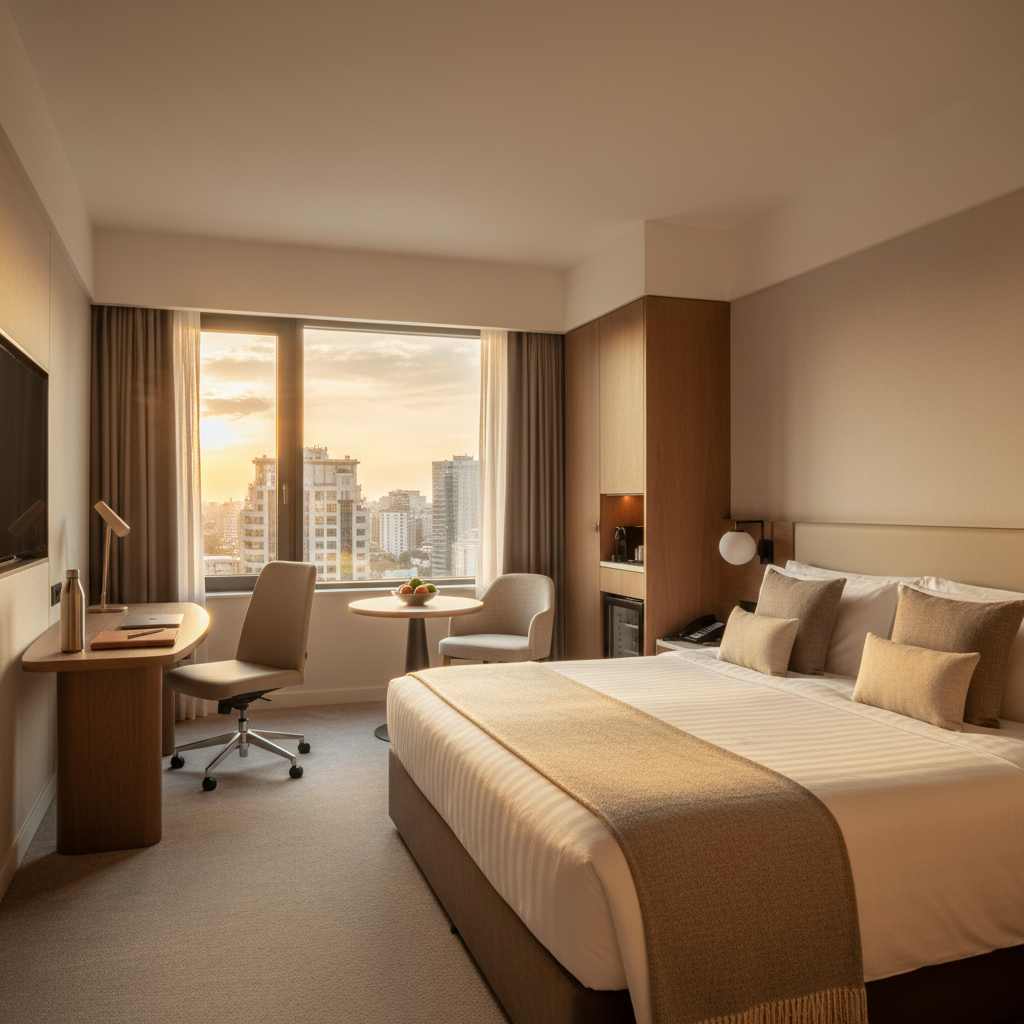
Business travel is a fundamental pillar of global commerce, yet it often comes with substantial costs, particularly concerning accommodation. Cutting hotel expenses by 40% or more is entirely achievable through strategic planning, smart booking habits, and leveraging the right tools. This comprehensive guide will equip you with the knowledge and actionable steps to transform your company’s travel budget, ensuring both efficiency and comfort for your team.
At Resapass, we understand the complexities of corporate travel. With access to over 2 million bookable hotels worldwide, we empower businesses to find optimal stays that align with their budget without sacrificing quality. Our platform offers free cancellation on most rooms, transparent, tax-inclusive prices with no hidden fees, and secure payment options, ensuring peace of mind for every booking. Let's delve into how you can make a significant impact on your travel expenditure.
Understanding the True Cost of Business Travel Accommodation
To effectively reduce hotel costs, it's crucial to first understand all contributing factors, both direct and indirect. Direct costs are easily quantifiable, while indirect costs often slip under the radar but can add significantly to the overall expenditure.
Direct Costs: Beyond the Room Rate
Direct costs encompass not just the nightly rate, but also taxes, resort fees, and often overlooked incidentals. Even a seemingly small £20 daily amenity fee can add £100 to a five-night stay, escalating the total cost by 10-15% on a typical mid-range room.
These charges, including local tourism taxes, service charges, and facility fees, can sometimes add up to 25% to the base room rate. Always check the final price before booking. Resapass, for example, shows tax-inclusive prices upfront, so you know exactly what you’re paying without any surprises.
Indirect Costs: The Hidden Drain
Indirect costs, though harder to track, can severely impact productivity and lead to higher overall expenses. These include time wasted on complicated booking processes, a lack of policy compliance, and employee dissatisfaction due to uncomfortable or inconvenient stays.
A disjointed booking process can add hours to an employee’s workload, reducing their focus on core business tasks. Moreover, poorly chosen hotels can result in longer commutes, reduced rest, and a decline in employee morale and productivity. Optimising your booking strategy can save not only money but also valuable time and improve employee well-being.
Strategic Planning: The Foundation of Savings
Effective planning is the single most powerful tool for cost reduction in business travel. By thinking ahead and implementing clear policies, businesses can avoid last-minute premiums and secure better deals.
Book Early, Save Significantly
Booking hotels well in advance can lead to substantial savings, often between 15% and 30%. While last-minute deals exist, they are less reliable for business travel, where specific locations or amenities might be required.
For example, booking a hotel in a major city like Amsterdam three months out could yield a 20% saving compared to booking two weeks prior. This is particularly true during peak seasons or major events. Airlines and hotels often use dynamic pricing, so early bookings tend to secure lower 'tier' rates before demand drives them up.
Flexibility with Dates and Locations
Even slight adjustments to travel dates or considering alternative nearby locations can unlock considerable savings. Mid-week stays are typically more expensive than weekends for business districts, while the reverse is often true for leisure destinations.
For a project requiring a team in a specific area, consider hotels a few miles outside the central business district. A 15-minute commute might save 25-35% on accommodation costs, especially in high-demand cities. Explore options, for example, in Hotels in Lisbonne by adjusting your dates to off-peak periods, if possible.
Leverage Data and Analytics
Utilise past travel data to identify spending patterns, average room rates, and potential areas for improvement. This data-driven approach helps in setting realistic budgets and negotiating better deals.
Reviewing historical data can reveal that, for instance, a particular city always sees a price surge on Tuesdays. Knowing this allows you to strategise by booking earlier for that specific day or exploring alternatives. This informed decision-making is key to proactive budget management and identifying trends for future cost-cutting opportunities.
Smart Booking Strategies: Maximising Value
Beyond planning, the actual booking process offers numerous opportunities for cost reduction. Knowing where and how to search can make a significant difference to your bottom line.
Utilise Comprehensive Booking Platforms
Employing a platform like Resapass gives you access to a vast inventory of hotels (over 2 million worldwide) and robust search filters. This allows for easy comparison of prices, amenities, and locations, ensuring you find the best possible value for your budget.
Platforms that aggregate a wide range of hotel options can save hours of research time. Look for features that allow you to filter by specific needs, such as proximity to a convention centre, Wi-Fi, meeting facilities, or specific room types. This streamlines the decision-making process and helps you pinpoint the ideal accommodation quickly. Begin your search today on Resapass Search.
Prioritise Free Cancellation and Flexible Options
Business travel is often unpredictable, so booking rooms with free cancellation is paramount. This protects your budget against unforeseen changes in plans, preventing financial losses from cancelled non-refundable bookings.
While non-refundable rates might offer a 5-10% discount, the risk often outweighs the savings. A policy allowing free cancellation up to 24 or 48 hours before arrival provides essential flexibility without penalty. Resapass highlights free cancellation options on most rooms, offering critical assurance for business travellers.
Look for Long-Stay Discounts and Corporate Rates
For longer assignments, many hotels offer reduced rates for extended stays (typically five nights or more). Additionally, if your company has frequent travel to certain destinations, exploring corporate rates directly with hotel chains can yield substantial savings.
Even if you don't have an official corporate rate, some hotels are willing to negotiate a discounted price for a consistent volume of bookings. Don't hesitate to inquire about these possibilities, especially for frequent travel to key locations like Hotels in Marrakech or Hotels in Bali.
Optimising On-Site Expenses: Beyond the Room Rate
Hotel costs extend beyond the nightly rate; on-site expenses like meals, internet, and laundry can quickly inflate your budget. Savvy choices can significantly reduce these additional outlays.
Minimise Incidental Charges
Be mindful of costs like mini-bar usage, pay-per-view movies, and expensive hotel laundry services. These seemingly small expenses can add hundreds to a bill over several nights.
Encourage employees to utilise external laundromats for longer trips, bring their own snacks and beverages, or purchase them from local supermarkets. The savings from avoiding these mark-ups can be substantial, often 20-30% on the total incidental spend.
Smart Food & Beverage Choices
Hotel restaurants can be convenient but are often pricier than local alternatives. Encourage employees to explore nearby eateries, utilise room service only when absolutely necessary, or book hotels that include breakfast.
Choosing hotels that offer complimentary breakfast can save £10-£20 per person per day. For other meals, a quick online search for local restaurants near the hotel can provide delicious and more budget-friendly options. This also offers a chance to experience local culture.
Leverage Loyalty Programmes (Wisely)
While corporate accounts are great, individual loyalty programmes can still offer perks. Accumulating points for personal travel or upgrades can be a nice bonus, but don't let points dictate your booking if a better, more cost-effective option is available elsewhere.
The primary goal is cost-saving for the business. If a loyalty programme offers benefits like free Wi-Fi or late check-out that genuinely save company money or increase productivity, then it's worth considering. However, always ensure the overall cost remains the most competitive.
The Role of Technology and Tools
Modern travel management hinges on robust technological solutions that streamline booking, enforce policies, and provide transparency. Leveraging these tools is crucial for achieving significant savings.
Centralised Booking Platforms
Using a single, centralised platform like Resapass simplifies the booking process, ensures policy compliance, and provides a clear overview of all travel expenses. This reduces administrative overhead and potential errors.
With a centralised system, travel managers can easily track bookings, monitor spending against budget, and generate reports for analysis. This transparency is vital for identifying areas where costs can be further optimised. For example, if you're frequently booking Hotels in Tokyo, a centralized platform can help you identify trends and ensure best rates across different stays.
Price Comparison Tools
Integrated price comparison features within booking platforms or dedicated tools help identify the best available rates across various providers. This ensures you're always getting competitive pricing.
These tools automatically compare thousands of options, saving you the manual effort of checking multiple websites. Resapass's extensive inventory allows for easy price comparison, helping you secure the best deal with minimal effort. Start your detailed comparison on Resapass Search.
Automated Expense Management
Integrating travel booking with expense management systems automates the tracking and reporting of travel costs, enhancing accuracy and speeding up reimbursement processes. This also provides better data for future budgeting.
Automated systems reduce manual entry errors and ensure all expenses are correctly categorised. This not only saves administrative time but also provides real-time insights into spending, allowing for immediate adjustments if budgets are being exceeded.
Policy & Compliance: Guiding Responsible Spending
Even with the best tools, a clear and well-communicated travel policy is essential. It provides guidelines for employees, ensuring responsible spending and alignment with company objectives.
Establish Clear Travel Policies
Define clear policies regarding maximum daily room rates, acceptable hotel standards, booking procedures, and expense limits for meals and incidentals. Communicate these policies effectively to all employees who travel.
For instance, a policy might state that "employees should aim for 3-star equivalent hotels unless client-facing requirements dictate otherwise, with a maximum nightly rate of £150 in tier-1 cities." This provides concrete guidance while allowing for necessary flexibility. Regular reminders and training can ensure high compliance.
Enforce Compliance and Review Regularly
Regularly review travel expenses against established policies to ensure compliance. Provide feedback to employees and update policies as needed based on insights gained from expenditure analysis.
Compliance checks aren't just about catching overspending; they're about understanding why policies might be broken. Is the policy unrealistic? Are there better, more cost-effective options available now? Continuous review and adaptation ensure the policy remains relevant and effective. Explore all our articles for more insights on travel management.
Empower Employees with Choice (Within Limits)
While policies are crucial, allowing employees a degree of choice within the budget empowers them and contributes to higher satisfaction. Offer a selection of approved hotels that meet the budget and policy requirements.
Providing 2-3 suitable hotel options instead of a single dictate can significantly boost morale. It gives employees a sense of control over their experience while still ensuring budgetary compliance. This balance can lead to greater job satisfaction and productivity during travel.
Long-Term Cost Reduction and Partnering with Resapass
Achieving and sustaining a 40% reduction in hotel expenses requires a long-term strategy, continuous optimisation, and the right booking partner. Resapass is built to support businesses in this endeavour.
Continuous Optimisation and Review
Travel spending should not be a 'set it and forget it' aspect. Regularly review your travel programme, analyse spending patterns, and adjust your strategies and policies based on performance and market changes.
Market conditions, hotel availability, and even employee preferences evolve. A quarterly or bi-annual review ensures your cost-saving strategies remain sharp and effective. Look for new opportunities and refine existing approaches to maintain significant savings over time.
Partnering with Resapass for Seamless Savings
Resapass offers a powerful solution for businesses looking to cut hotel costs without compromise. With 2 million hotels worldwide, you have unparalleled choice.
Our platform prioritises clear, tax-inclusive pricing, so there are no hidden fees to worry about. The option of free cancellation on most rooms provides the essential flexibility that business travel demands. With 7/7 customer support, secure payment, and no subscription required, Resapass streamlines your booking process, making it simpler, more transparent, and significantly more cost-effective. We are committed to helping you achieve and even exceed your 40% savings target.
FAQ: Cutting Business Travel Hotel Costs
Q: Is it truly possible to cut hotel costs by 40% for business travel?
A: Yes, it is entirely possible to achieve savings of 40% or more by implementing a combination of strategic planning (early booking, flexible dates), smart booking (using comprehensive platforms, free cancellation), and careful management of on-site expenses. Consistent application of these strategies yields significant results.
Q: What is the most effective single strategy for immediate savings?
A: The most immediate impact often comes from booking well in advance and utilising a comprehensive booking platform like Resapass to compare rates across a vast inventory. Early booking can secure rates 15-30% lower than last-minute options, and effective comparison ensures you always get the best available price.
Q: How can Resapass help my business save money on hotels?
A: Resapass provides access to over 2 million hotels worldwide, enabling extensive price comparison. Our tax-inclusive pricing eliminates hidden fees, and free cancellation on most rooms offers crucial flexibility. These features, combined with secure payment and 7/7 customer support, empower businesses to find optimal value and save significantly.
Q: Are hidden fees a common problem with hotel bookings?
A: Unfortunately, hidden fees (like resort fees, facility charges, or unexpected taxes) can sometimes inflate the final cost. Resapass addresses this by providing tax-inclusive prices upfront, ensuring full transparency and no surprises at checkout.
Q: What should I look for in a hotel booking platform for business travel?
A: For business travel, prioritise platforms offering a large inventory of hotels, clear and transparent pricing (no hidden fees), flexible cancellation policies, robust search filters, and reliable customer support. Secure payment options and an intuitive interface are also crucial for efficiency.
Q: How important is a clear travel policy in achieving cost savings?
A: A clear and well-communicated travel policy is fundamental. It sets expectations for employees, guides responsible spending, and ensures compliance with budget limits and company standards. Without a policy, cost-saving efforts often become inconsistent and less effective.